
Last updated November 20, 2026
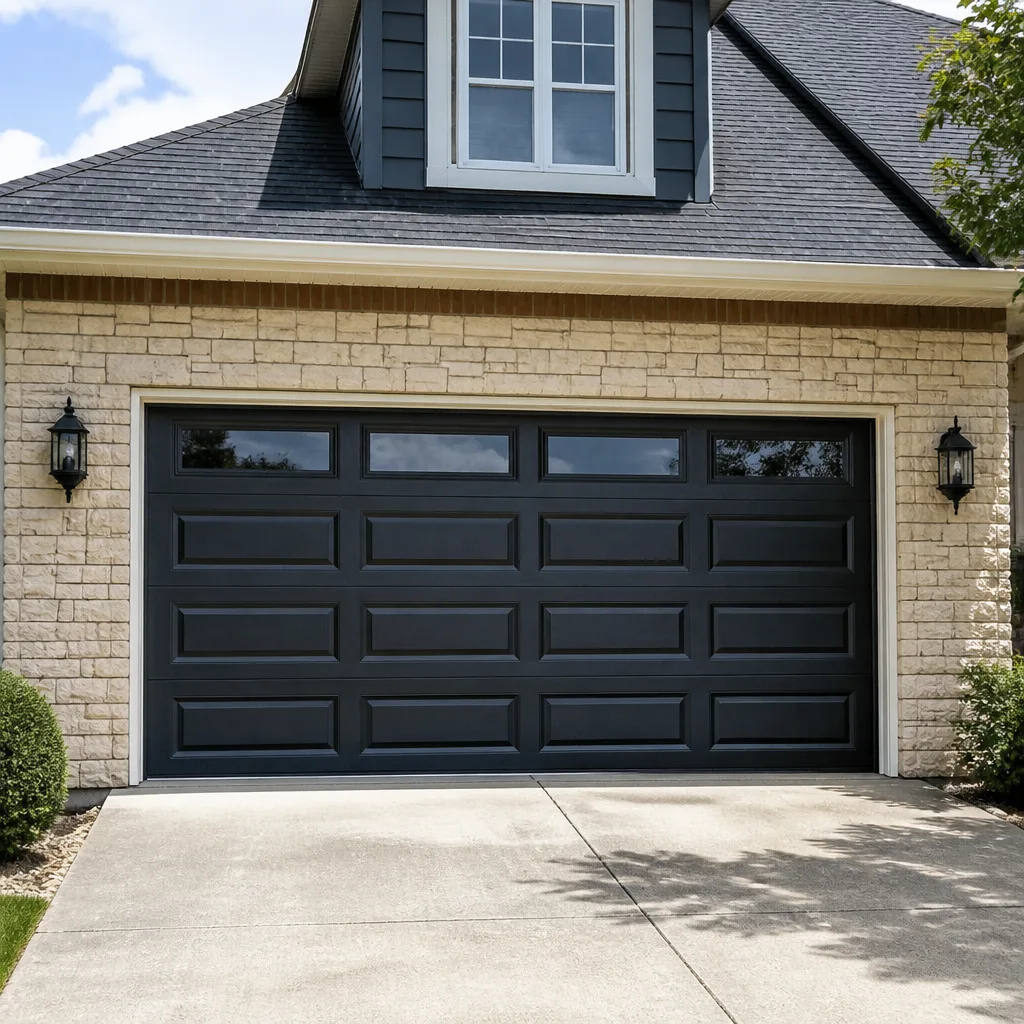 Raised-panel steel
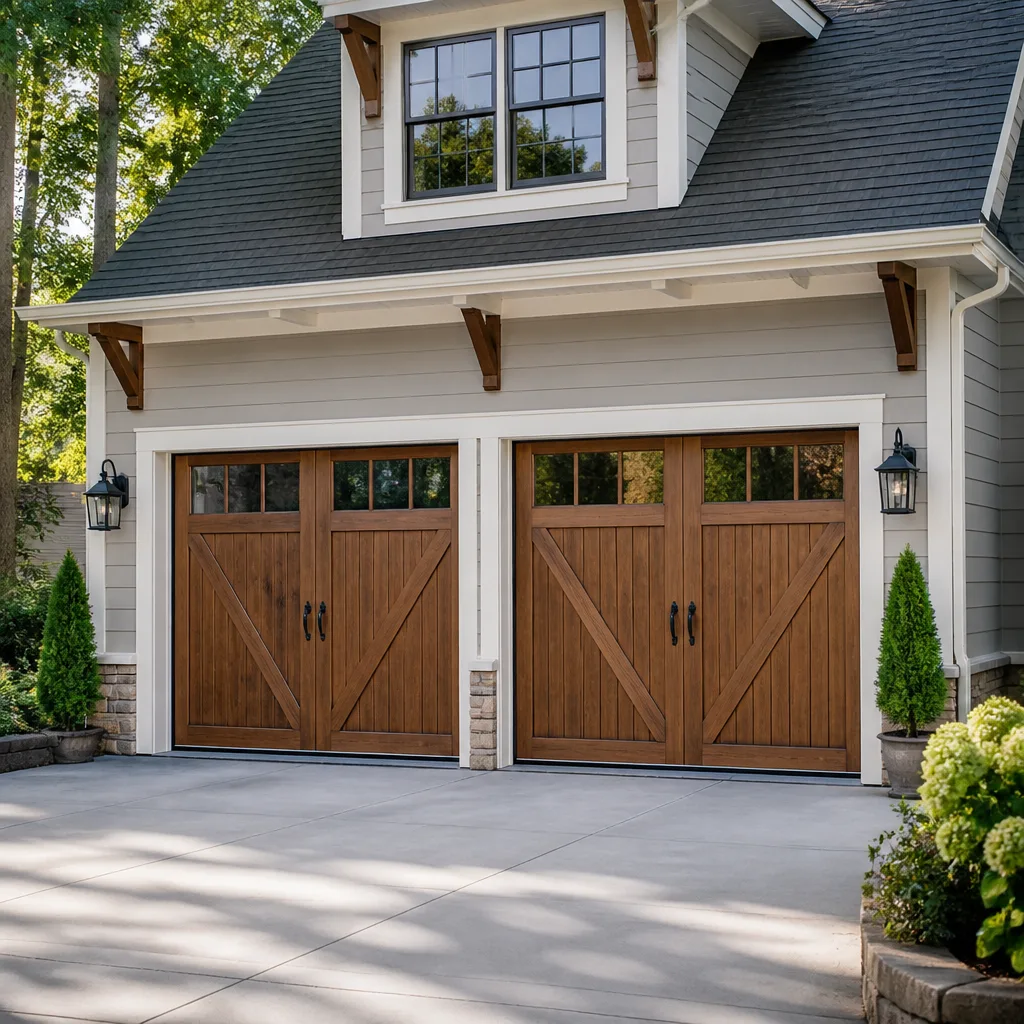 Carriage house
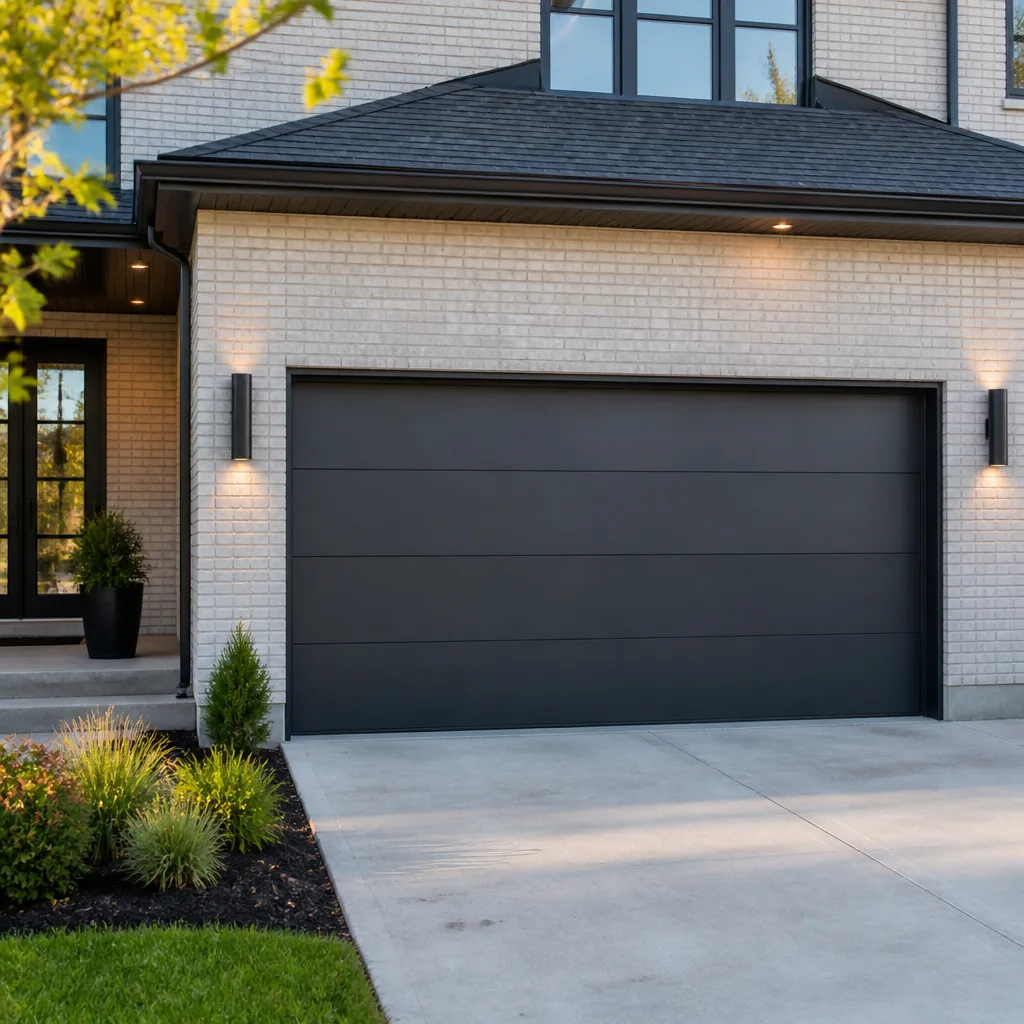 Modern flush
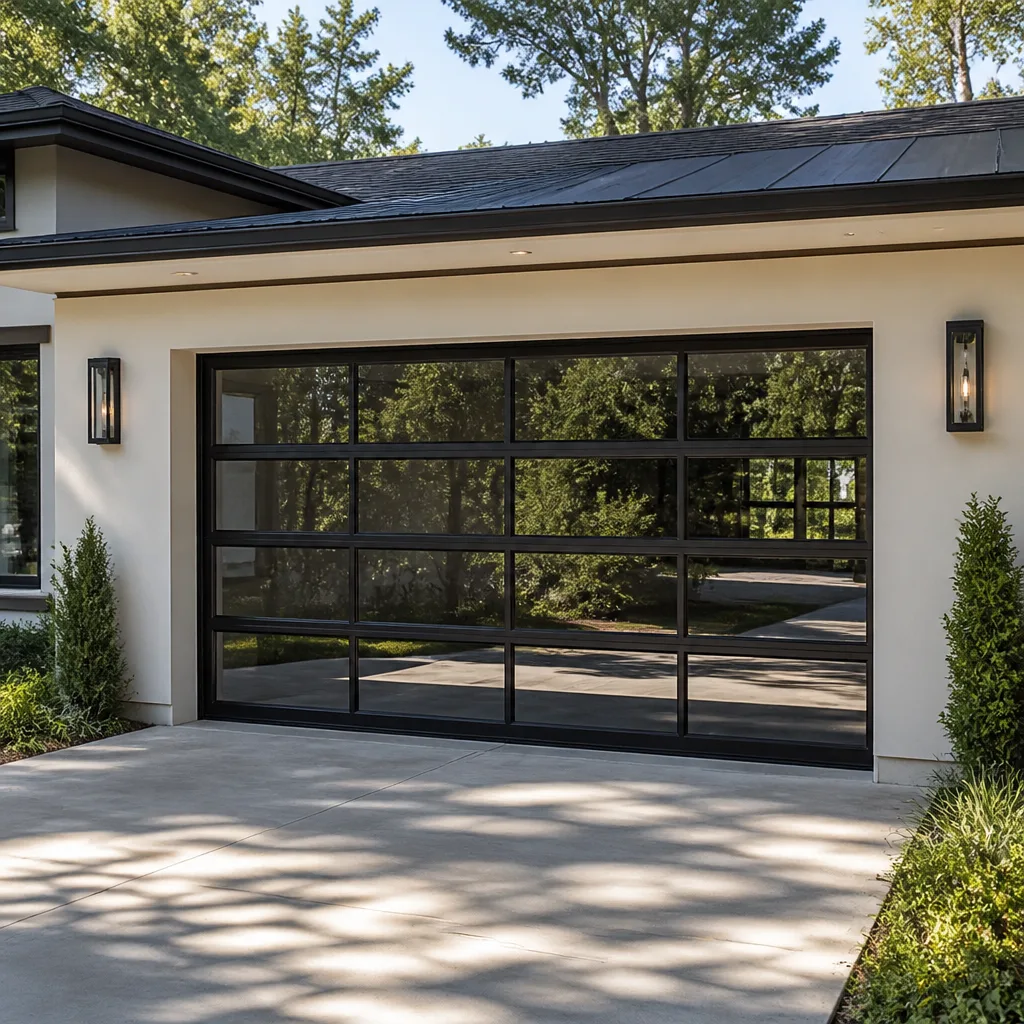 Full-view glass
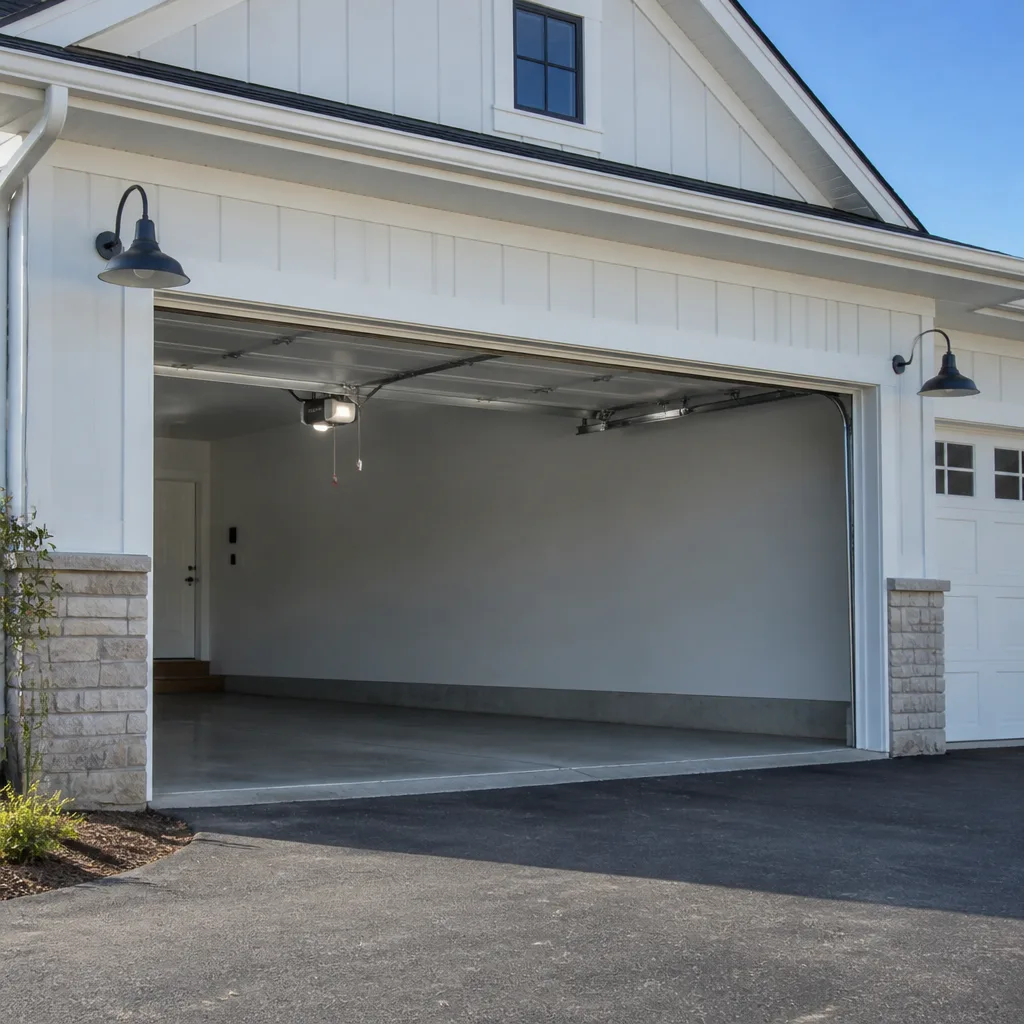 LiftMaster openers
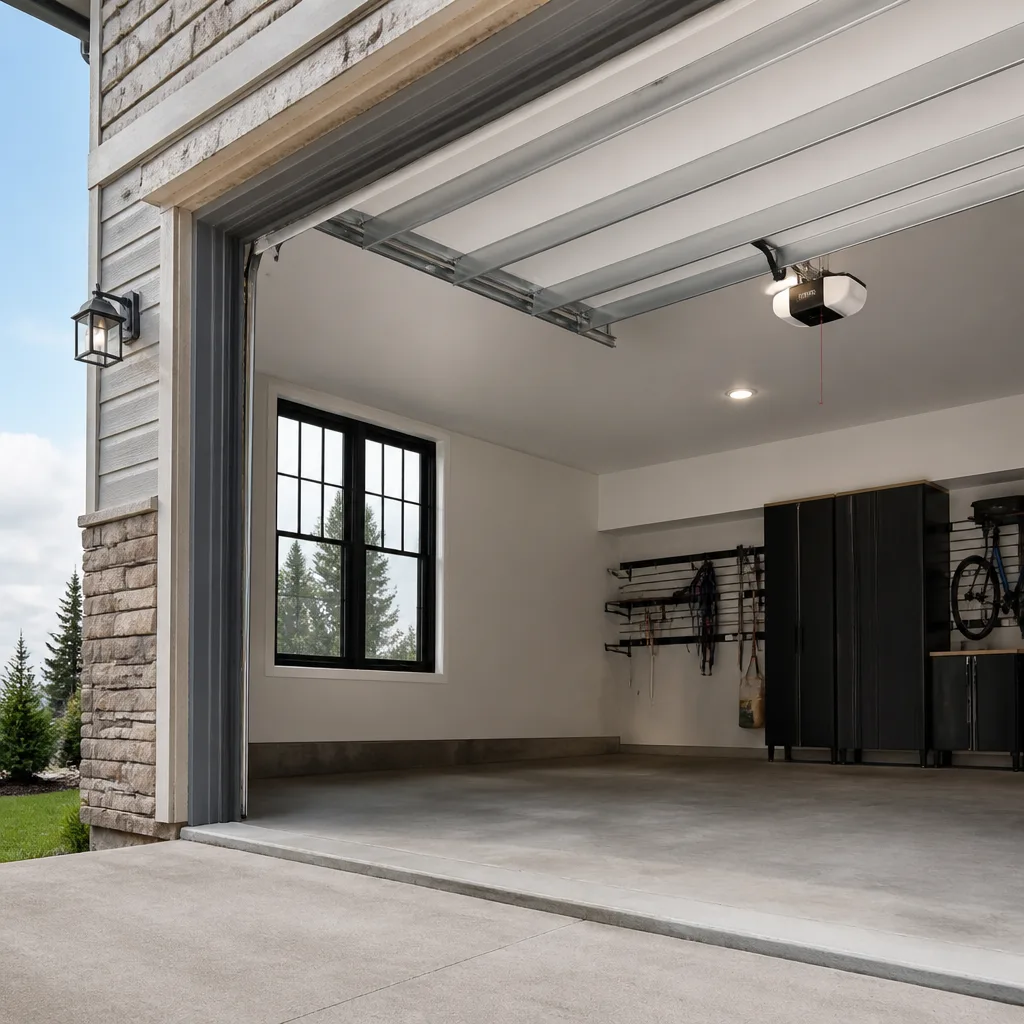 Chamberlain openers
Full 25-point door and opener safety check with every visit - springs, cables, rollers, tracks, and your LiftMaster or Chamberlain opener included
You get a price before we start. It does not change when the pro arrives.
Get your free estimateHow to Hire a Garage Door Contractor in Paterson: A Step-by-Step Guide
Here’s the part most homeowners don’t know: in New Jersey, there’s no state trade license specific to garage doors. That means a handyman with a pickup and a ladder is legally allowed to touch the torsion spring above your car, the same way a trained specialist is. The license you’d normally rely on to sort the pros from the pretenders doesn’t exist for this trade. Which leaves you with questions. The right questions, asked in the right order, are what protect your wallet and your safety. This guide walks you through them step by step, from the first phone call to the final warranty. We work on garage doors across Paterson every day, and we’ve watched how a vague quote becomes an expensive one. Here’s how to screen a contractor properly.
Quick Answer
Hiring a garage door contractor in Paterson means checking three things before any work starts: insurance (general liability and workers’ comp, with you named on a certificate), a quote that itemizes parts and labor with specific brands and part types, and a warranty that spells out who covers materials and who covers labor. A specialist who works only on garage doors will diagnose faster and quote more accurately than a generalist. Insist on all three in writing, and never let a technician begin work on a spring or opener before the price is quoted and agreed.
Styles & brands we work with
- Raised-panel steel
- Carriage house
- Modern flush
- Full-view glass
- LiftMaster openers
- Chamberlain openers
Table of Contents
- Why an Unlicensed Handyman and a Specialist Are Not the Same Call
- Step 1: Verify Insurance Before Anyone Touches Your Door
- Step 2: Read the Quote Line by Line
- Step 3: Watch for These Contractor Red Flags
- Step 4: Ask Why They Only Do Garage Doors
- Step 5: Ask the Warranty Question Nobody Asks
- What to Know About Springs, Openers and Safety
- What a Well-Run Repair Should Look Like
Why an Unlicensed Handyman and a Specialist Are Not the Same Call
The distinction isn’t snobbery. It’s mechanics. A garage door system is three interlocking sub-systems: the door panels, the opener electronics, and the high-tension springs and cables that counterbalance the whole thing. Each one fails for its own reasons, and the failure modes overlap in ways that trip up someone who only opens up a garage door a few times a year. In our experience, a generalist who “also does garage doors” often replaces the wrong part first, because the symptom (a door that won’t close) can come from the opener’s limits, a broken spring, or a misaligned track. A specialist has seen all three that week. That pattern recognition is the difference between fixing the door and guessing at it.
There’s also a pricing angle. A generalist has to guess more, so a generalist quotes wider. When you get a quote with a broad range or a “starting at” number, you’re often paying for that uncertainty. A specialist who knows a Craftsman opener’s circuit board or a Raynor panel’s hinge geometry can put a fixed number on the same job in minutes. That faster diagnosis is why garage door repair quoted by a focused trade tends to land tighter than a multi-trade quote. Not always cheaper. More accurate.
What you want from any contractor in Paterson is a concise, confident answer to “what failed?” followed by “here’s exactly how we fix it and what it costs.” Anything vaguer than that is a reason to keep calling.
Step 1: Verify Insurance Before Anyone Touches Your Door
This is the step homeowners skip, and it’s the one that matters most. In New Jersey, if an uninsured worker is injured on your property while replacing a spring, you can be exposed to a claim. The contractor’s insurance is supposed to stand between you and that exposure. So you need to confirm it exists. Not the contractor’s word for it. Documentation.
What to request, specifically
Ask for a certificate of insurance before the appointment, not on the day of. A legitimate contractor will send one without hesitation. The certificate should show two coverages:
- General liability. This covers damage to your property, like a dropped door panel through a window or a scratched vehicle. Ask to be listed as an additional insured for the job. It’s a quick request, and any real outfit will do it.
- Workers’ compensation. This is the gap that catches homeowners. General liability does not cover an injured worker’s medical bills. Workers’ comp does. If a contractor carries general liability but no workers’ comp, an injured helper’s claim can land on your homeowner’s policy. That’s the gap most people don’t see until it’s a problem.
How to read the certificate
- Check the named insured matches the company quoting you, not a different entity.
- Confirm the policy is currently active, not expired.
- Look for the workers’ comp line explicitly, not just liability.
- Note the limits, and if they look thin, ask questions or move on.
- Keep a copy. If something goes wrong later, you’ll want it.
In Paterson, a lot of garage door work happens in dense, mixed-housing blocks, where a misstep can affect a neighbor’s property or a shared driveway. That makes liability coverage more than paperwork. Ask for the certificate. If you hear “we’ll bring it” and it never appears, that’s your answer.
Step 2: Read the Quote Line by Line
A one-line quote that says “parts and labor” is a black box, and you’re the one holding it. The problem with bundled pricing is that it hides which part you’re paying for and how much of the total is the part versus the labor. That matters because if the repair fails, you want to know whether the warranty covers the part, the labor, or both. A bundled number can’t tell you. An itemized one can.
Here’s what a proper quote for Paterson-area work should lay out, in separate lines:
- The exact part by brand and type (for example, a specific torsion spring size, or a named opener model). “Spring” alone isn’t enough.
- Materials cost and labor cost, separated.
- Any disposal or haul-away, stated as its own line.
- The warranty terms for parts and for labor, each in plain language.
- The total, with the understanding that this written number sets the final price.
When we quote a spring replacement, you’ll see the spring specified by size and cycle rating, the number of springs, and the labor split out. That level of detail isn’t busywork. It’s what lets you compare two quotes fairly. Two quotes that both say “fix the door” are impossible to compare; two itemized quotes are not.
The timeline of a real quote
- You describe the symptom on the phone.
- A technician inspects the door, opener and springs.
- They tell you what failed and what it costs, in writing.
- You agree the price before any work starts.
- The repair happens, and the written estimate is the price.
A quote that stays vague until the technician is already under the door is not a quote. It’s a position. Ask for the itemized version up front.
Step 3: Watch for These Contractor Red Flags
The garage door trade has a few tells, and once you know them, they’re hard to miss. These come up in Paterson and everywhere else. Any single one is a reason to slow down and ask a direct question.
- Vague spring descriptions. “We’ll replace your spring” tells you nothing. A real quote names the spring size, the count (one or a matched pair), and the cycle rating. If the contractor won’t specify, they may be using a cheaper spring than the job needs.
- Refusing to name the brand of replacement hardware. Replacement parts vary wildly in quality. If they won’t tell you whether the replacement opener is a LiftMaster, a Chamberlain, a Genie, or an unbranded unit, assume the cheapest. Brand names are a quality signal, not a sales pitch.
- Same-day pressure tactics. A broken spring is urgent, so a same-day appointment is reasonable. What’s not reasonable is a “this price is only good if you sign right now” pitch. A written estimate can be considered overnight.
- Bundling “parts and labor” into one opaque number. It hides where your money goes and makes the warranty question unanswerable.
- No insurance certificate on request. Covered above. It’s the biggest one.
- Pushing full replacement when a repair would do. Ask directly: “Can this be repaired, and what would that cost?” If replacement is the only option they offer, get a second opinion.
A specialist has no reason to hide a spring’s size or a part’s brand, because the recommendation is whatever the system actually needs. That brand-agnostic approach is the opposite of an upsell pitch.
Step 4: Ask Why They Only Do Garage Doors
Ask a contractor what percentage of their work is garage doors. The answer tells you a lot. If it’s a sideline, they’re learning on your door. If it’s 100 percent, they’ve already made the mistakes on someone else’s door and built the calluses. A single-trade specialist diagnoses faster and quotes more accurately because the failures repeat across brands and models. The quirks of a specific system aren’t a mystery; they’re familiar.
In our case, that means we’re factory-familiar with eight brands that dominate most residential garages: LiftMaster, Chamberlain, Genie, Clopay, Amarr, Wayne Dalton, Craftsman, and Raynor. We work on the brand already in your garage rather than steering you toward one we prefer. That matters when your opener is a Chamberlain that’s been quietly reliable for years and a generalist wants to rip it out. A specialist knows whether it’s worth repairing. The answer is usually yes.
Our technicians have up to 11 years of experience, and every one of them works on garage doors and nothing else. That single-trade focus is the reason garage door opener repair doesn’t become a trial-and-error job. When the opener’s logic board fails in a recognizable pattern, we know the fix without guessing. Fix first, replace only when the part is genuinely beyond repair.
Questions to ask about specialty
- What share of your work is garage doors versus general handyman work?
- Have you worked on my opener’s brand before? (Name it: Craftsman, Raynor, LiftMaster, Chamberlain.)
- Do you handle door panels, opener electronics, and springs, or just one?
- When would you repair rather than replace?
If the answers sound rehearsed or evasive, you’ve learned something useful.
Step 5: Ask the Warranty Question Nobody Asks
Here’s the question almost no homeowner asks, and it’s the one that decides what happens if the repair fails: who backs the labor? The manufacturer’s warranty covers the part. But if the part is fine and the installation was wrong, the manufacturer will tell you to call the installer. And if the installer is a one-man operation that’s since moved on, you have no recourse. So ask, plainly: “Who covers the part, and who covers the labor, and for how long?”
A clear warranty answer separates a real contractor from a drive-by. In Paterson, where older housing stock means many garages have been repaired multiple times by multiple hands, a labor warranty is your protection against a shortcut that fails in a season. Get the warranty in writing alongside the quote.
What a proper warranty answer includes
- The part warranty from the manufacturer, named by brand.
- The labor warranty from the contractor, with a time frame.
- What’s excluded (for example, damage from a subsequent impact or a power surge).
- What your recourse is if the work fails: who you call, and what they’ll do.
If a contractor can’t or won’t put a labor warranty in writing, that’s not a smaller job. It’s a job with no safety net. Ask, and keep the answer.
What to Know About Springs, Openers and Safety
We’ll say the plain thing: springs are the most dangerous part of any garage door system, and it’s not a DIY job. A torsion spring holds the full weight of the door under tension. If it’s released without the right tools and technique, it can cause serious injury. That’s why spring work is a specialty, and why you should never accept a handyman’s offer to “give it a go.” The same applies to opener wiring: an opener tied into your home’s electrical system incorrectly is a fire and shock hazard, not a hobby project.
What you can safely check as a homeowner is observation only. Does the door feel heavier than usual when you lift it by hand with the opener disconnected? Does it come off the track? Do you hear a sharp bang from the torsion bar (a strong sign of a broken spring)? Can you see a gap in the spring coil? If yes to any of these, stop operating the door and call. Don’t try to adjust the spring, cable, or opener limits yourself. A trained garage door technician has the winding bars, the gauges, and the training to do it safely.
In our experience, the most common serious failure we see is a snapped torsion spring that nobody realized was near the end of its life. That’s why garage door spring repair is a named specialty rather than a side job. It’s the call where skill matters most. If you’re unsure whether your spring is safe, ask us and we’ll tell you. We answer 24/7.
What a Well-Run Repair Should Look Like
A good repair follows a predictable shape, and knowing it helps you spot one that’s going sideways. Here’s the sequence from first call to finished job.
- You call and describe the symptom. A specialist asks a few diagnostic questions to narrow the cause before anyone is dispatched.
- You get a free estimate. The technician inspects the door, opener, and springs, then explains what failed in plain terms.
- You review an itemized written quote. Parts by brand and type, labor separated, warranty terms included. The price is agreed before work starts.
- The repair is done safely. Springs get the right tools and technique. Openers get wired correctly. Panels get aligned.
- You test the door together. The door opens and closes smoothly, the opener’s safety reverse works, and nothing rubs or bangs.
- You keep the paperwork. Quote, warranty, and insurance certificate all go in a folder.
A well-run job leaves you knowing exactly what was fixed, what it cost, and what happens if it fails. If any step is missing, ask for it. The good contractors won’t blink. If you’re in Paterson and your door is misbehaving, call (866) 937-7714. We answer 24/7. Fast dispatch from 7am to 7pm, Sunday through Friday. Estimates are free.
Common Mistakes to Avoid
- Skipping the insurance check. It’s the one step that protects your home and your wallet if someone gets hurt. Ask for the certificate before the appointment and confirm both liability and workers’ comp. A missing workers’ comp policy is the gap that lands on your homeowner’s insurance.
- Accepting a bundled “parts and labor” number. A one-line quote hides which part you’re paying for and makes the warranty unanswerable. In a city like Paterson with older, heavily-repaired garages, the itemized version is the only one you can compare fairly.
- Letting a generalist touch a spring. Spring work is the most dangerous part of the system and requires the right tools and training. A handyman who “also does garage doors” shouldn’t be winding your torsion spring.
- Not asking about the brand of replacement hardware. Replacement openers and springs vary widely in quality. If they won’t name the brand (LiftMaster, Chamberlain, Genie, and so on), assume the cheapest available.
- Falling for same-day price pressure. A broken spring is urgent, but a “this price expires today” pitch is a sales tactic, not an emergency. Take the written estimate and consider it.
- Never asking who backs the labor. The manufacturer’s warranty covers the part, not the installation. If the labor isn’t warranted by the contractor, a failed repair leaves you with no recourse.
- Assuming replacement is the only fix. Many “your door needs replacing” recommendations are really a repair job. Ask directly whether a repair would work and what it would cost.
See the difference
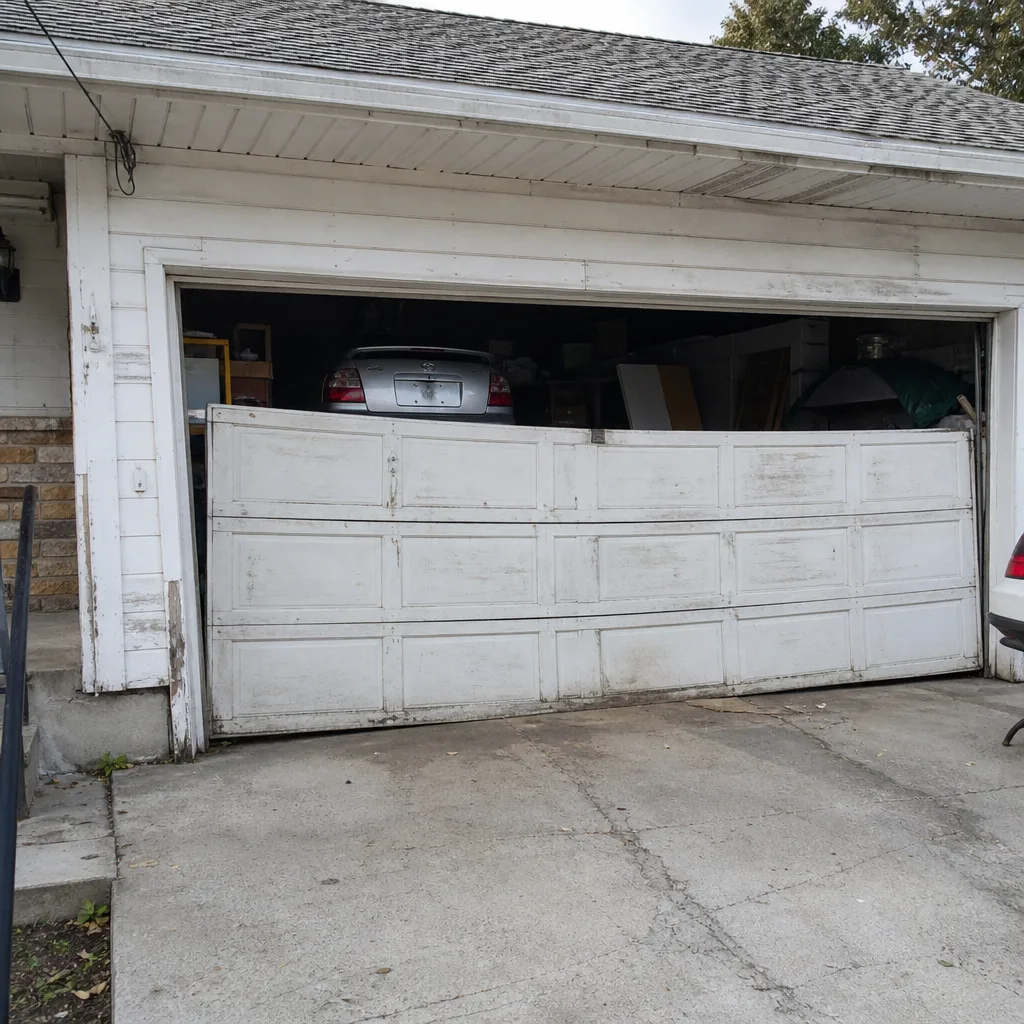 Before
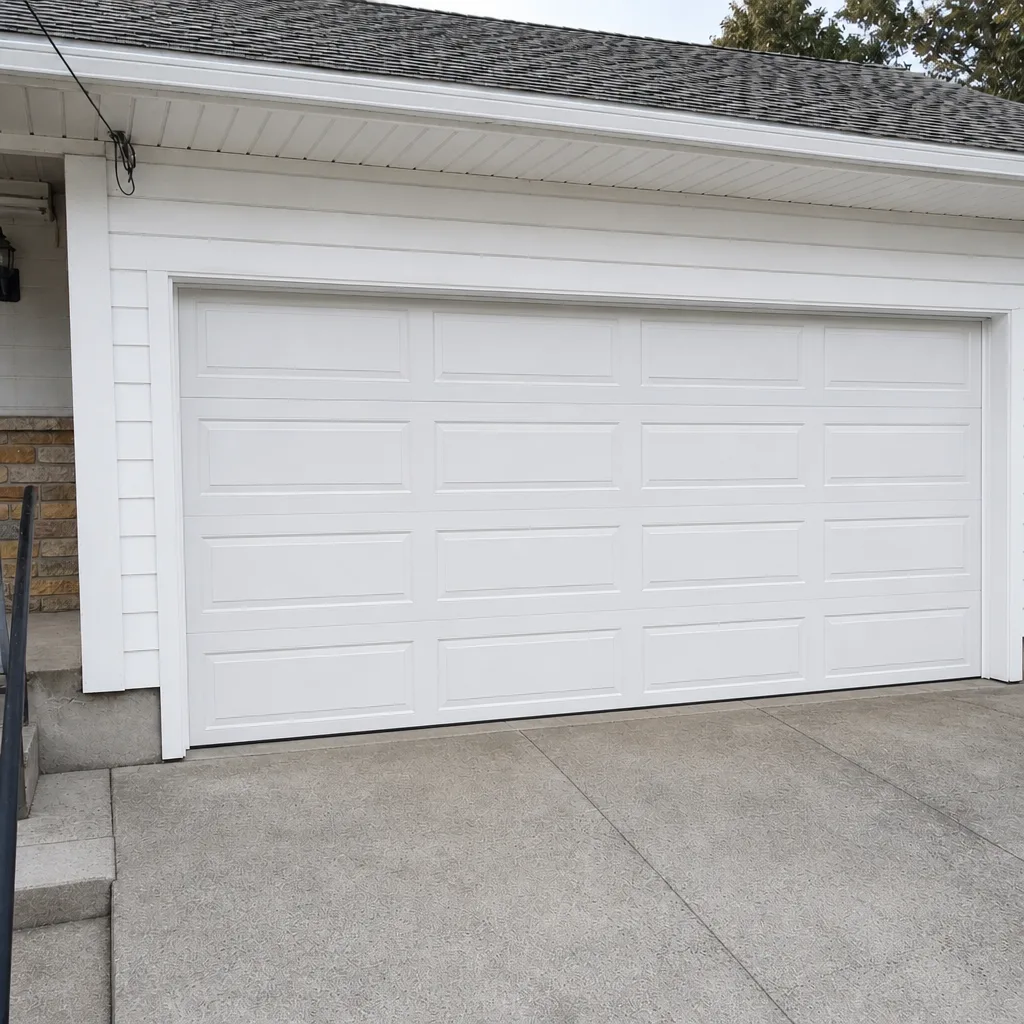 After
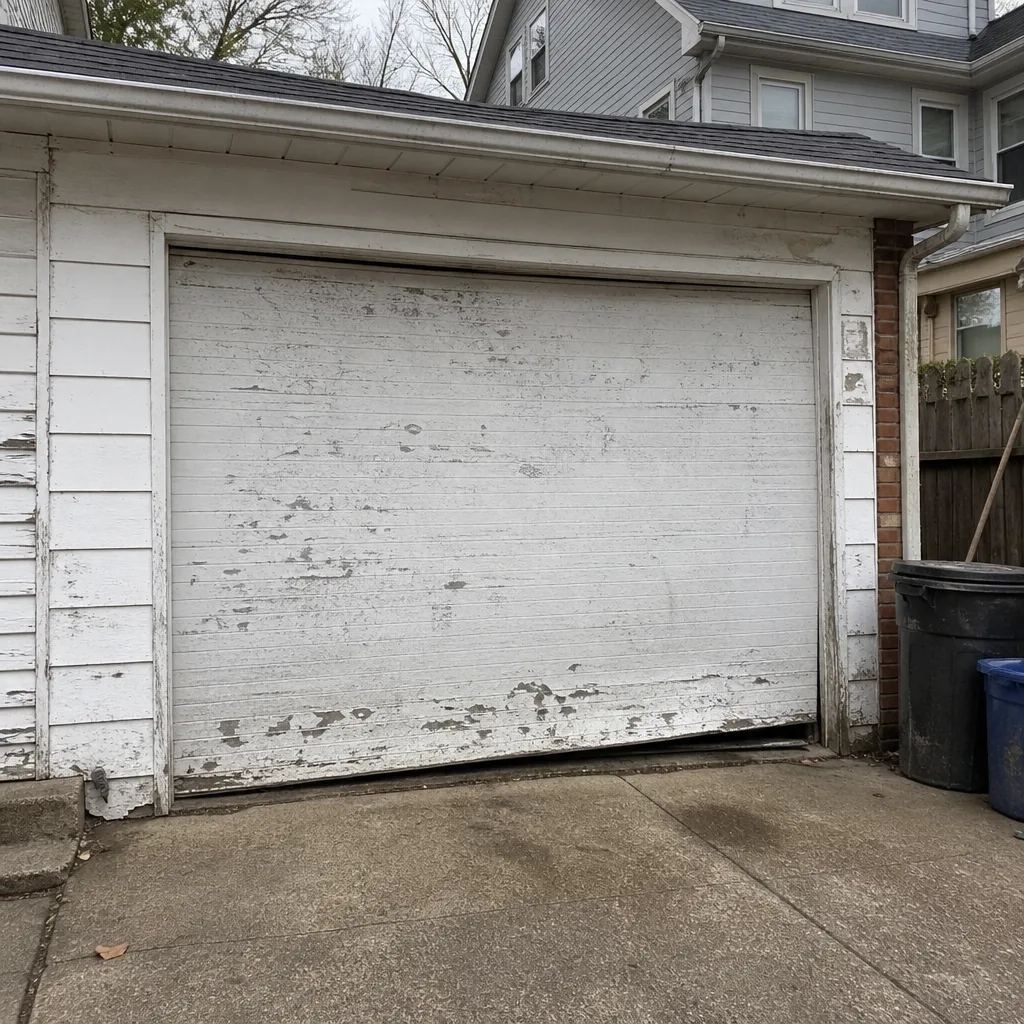 Before
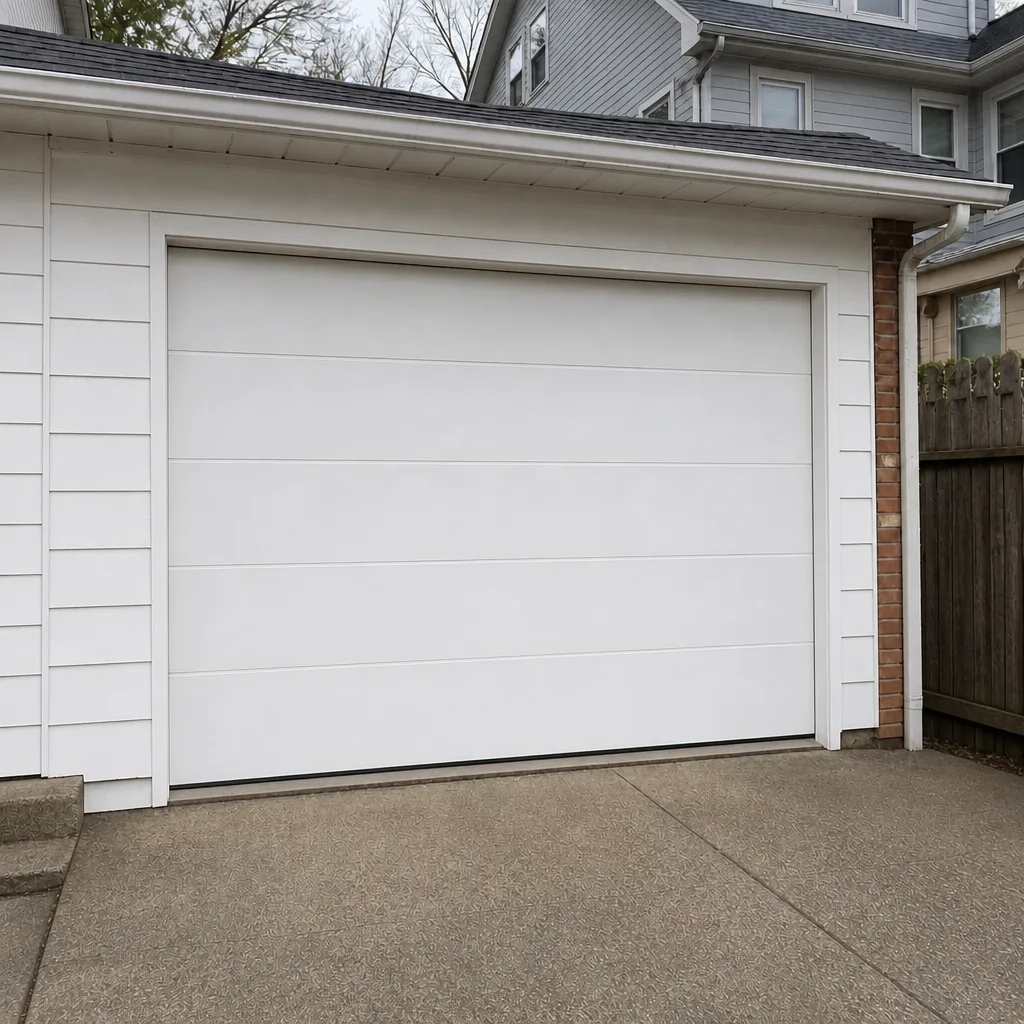 After
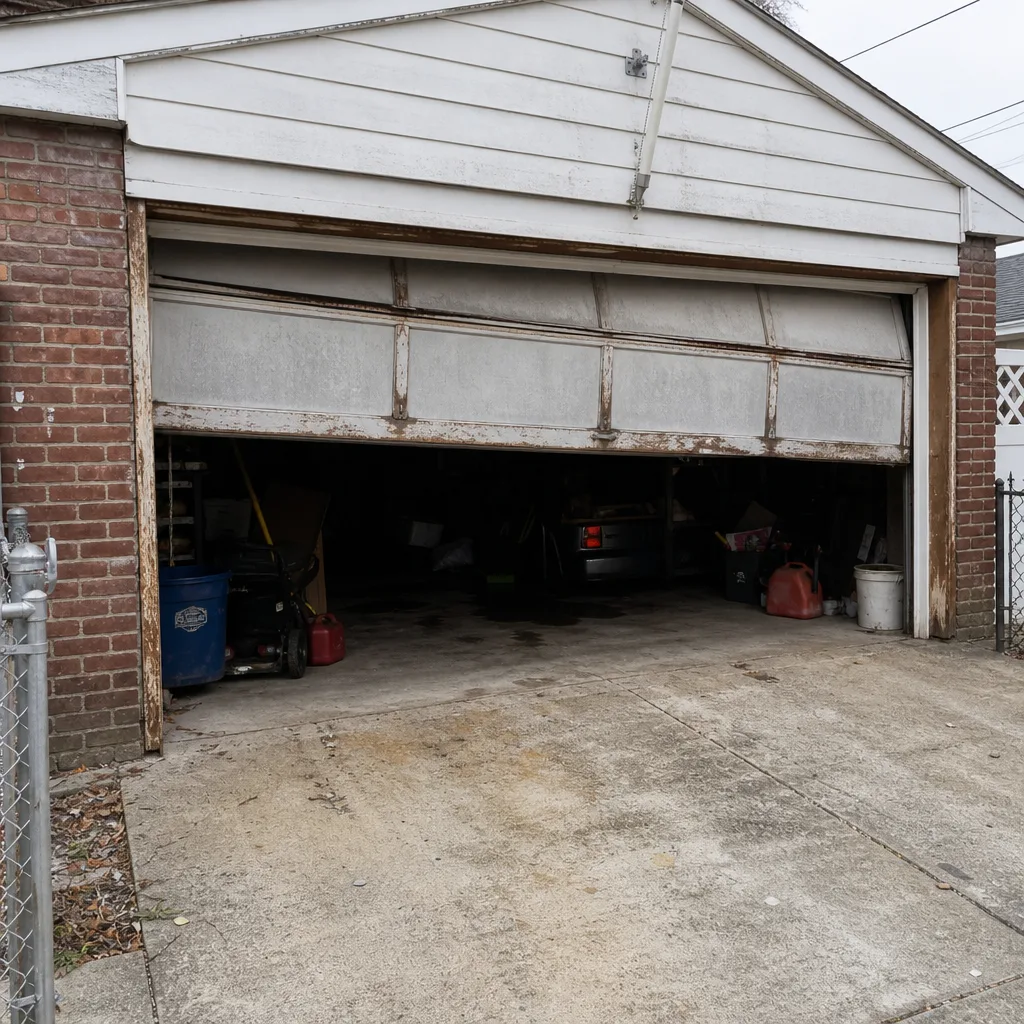 Before
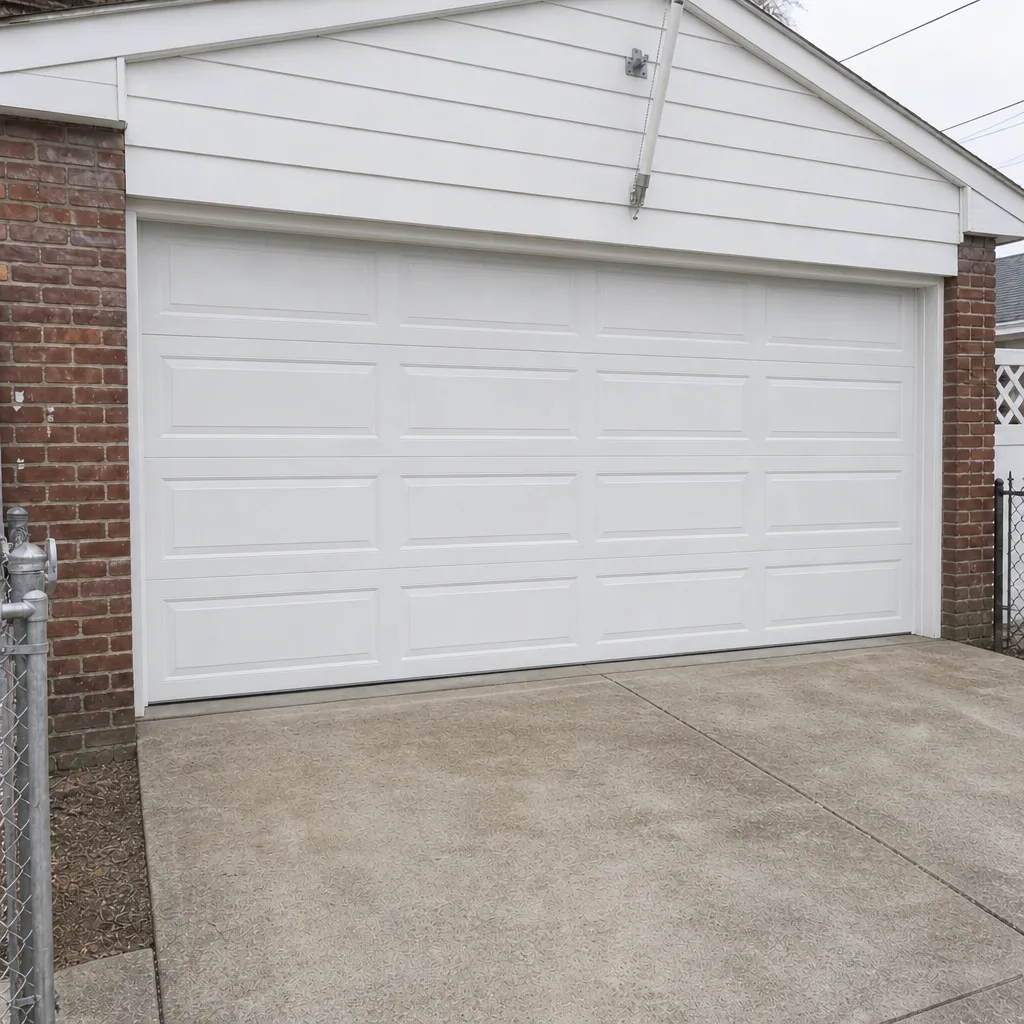 After
When to Call a Professional
Some garage door problems are cosmetic and can wait. Others can’t. Call a professional immediately if you hear a loud bang from the torsion bar, if the door comes off its track, if the door feels dangerously heavy when lifted by hand, if the opener runs but the door doesn’t move, or if the opener’s safety reverse fails its test. Never operate a door with a visibly broken spring or cable, and never try to adjust the spring, cable, or opener wiring yourself. Those are the jobs where the danger is real and the margin for error is small. If you’re not sure whether your situation is urgent, ask. Paterson Garage Door Repair offers free estimates in Paterson. Call (866) 937-7714. We answer 24/7. Fast dispatch from 7am to 7pm, Sunday through Friday.
Frequently Asked Questions
New Jersey has no state trade license specific to garage doors, so there’s no single license number to verify. What you can and should verify is insurance: general liability and workers’ comp, confirmed with a certificate before work starts. Because the license doesn’t exist, the questions in this guide are your real protection. Call (866) 937-7714 for a free estimate from a specialist.
Garage door repair in Paterson is priced per job by a written estimate, so the number depends on what failed and which parts are involved. A single spring costs less than a matched pair, which is usually replaced together. An opener repair depends on whether the failure is electrical or mechanical. The written estimate you agree before work begins is the final price. Call (866) 937-7714 for an exact quote. Estimates are free.
The price you agree in the written estimate is the price for the work described. If the technician finds an additional problem the quote didn’t cover, you’ll get a revised written estimate before any more work starts. You won’t be handed an invoice larger than the quote without agreeing to it first. Call (866) 937-7714 for a free estimate.
Same-day service is available for repair calls, and springs are the most urgent kind of garage door failure. If your spring has snapped, stop operating the door and call. We answer 24/7. Fast dispatch from 7am to 7pm, Sunday through Friday. If your call comes outside dispatch hours, we’ll book you into the next opening. Call (866) 937-7714.
The local professional who performs the work is licensed and insured as the state requires, and you can request the insurance documentation before the appointment. Ask for general liability and workers’ comp by certificate. Our technicians have up to 11 years of experience and work exclusively on garage doors. Call (866) 937-7714 to get started.
Repair first is usually the right call, and replacement is only warranted when the door’s panels or structure are genuinely beyond fixing. A specialist will tell you which one you’re facing and what each costs. Ask directly whether a repair would resolve the problem. We work on the brand already in your garage, so the recommendation follows the system, not a preferred vendor. Call (866) 937-7714 for a free estimate.
The Bottom Line
Hiring a garage door contractor in Paterson comes down to a short, unhurried screening process: verify insurance with a certificate, read the quote line by line, watch for vague spring descriptions and same-day pressure, ask why they only do garage doors, and get the labor warranty in writing. None of this requires trade knowledge. All of it protects you. A specialist who works only on garage doors, across the eight dominant brands, will diagnose faster and quote more accurately than a generalist who treats your door as a sideline. We live in that brief, precise answer. Garage doors are all we do. When you’re ready to sort out your garage door, reach the Paterson Garage Door Repair team to get started with a free estimate.
Call (866) 937-7714 for a free estimate. We answer 24/7. Fast dispatch from 7am to 7pm, Sunday through Friday. The price is quoted and agreed before any work starts, and we can work with your insurer if a claim is involved.
Written by the team at Paterson Garage Door Repair.