
Last updated November 20, 2026
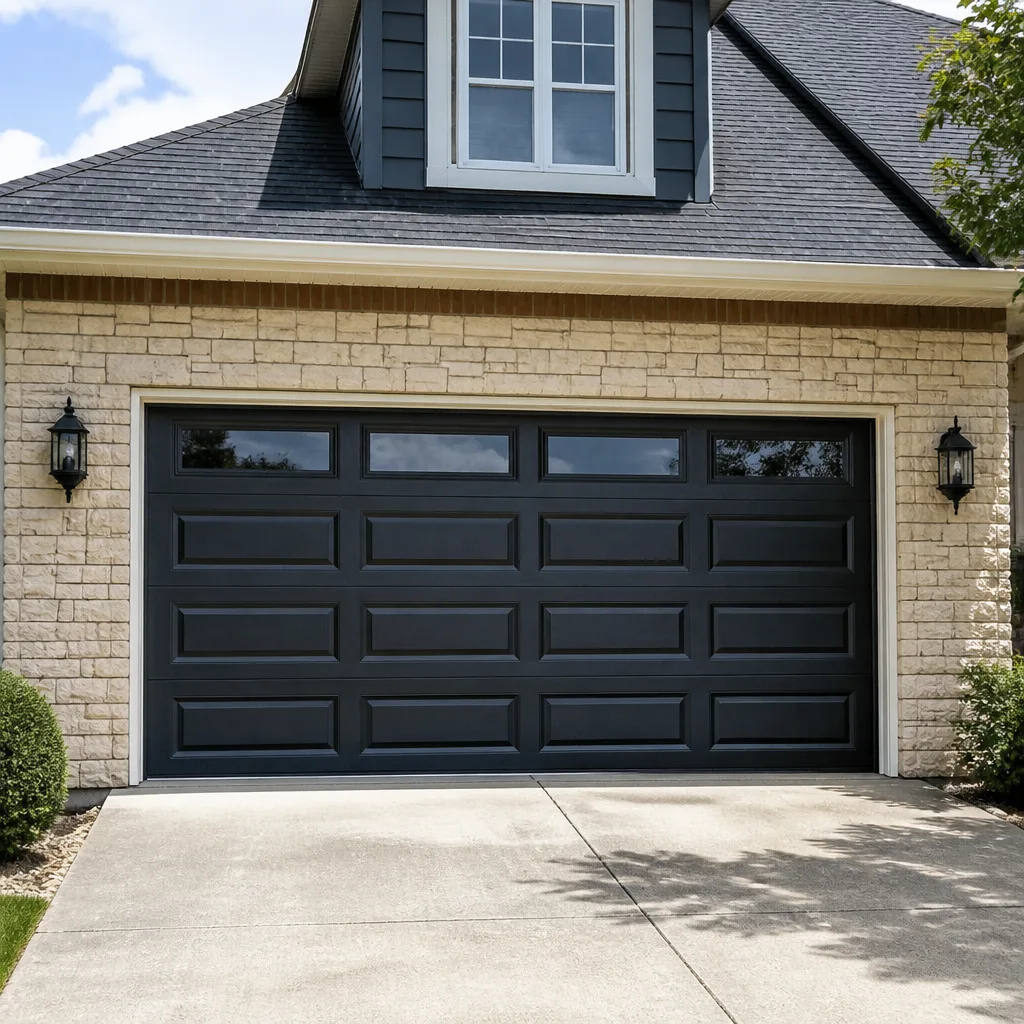 Raised-panel steel
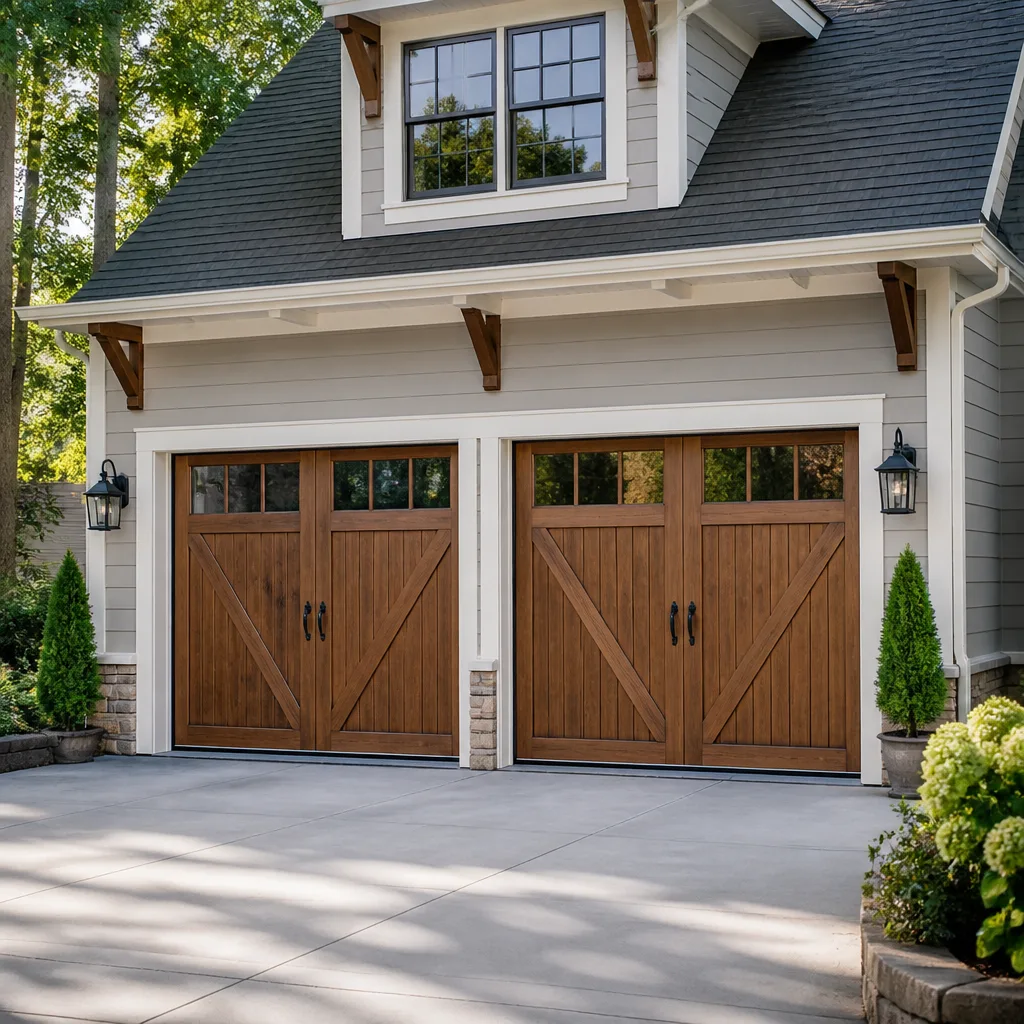 Carriage house
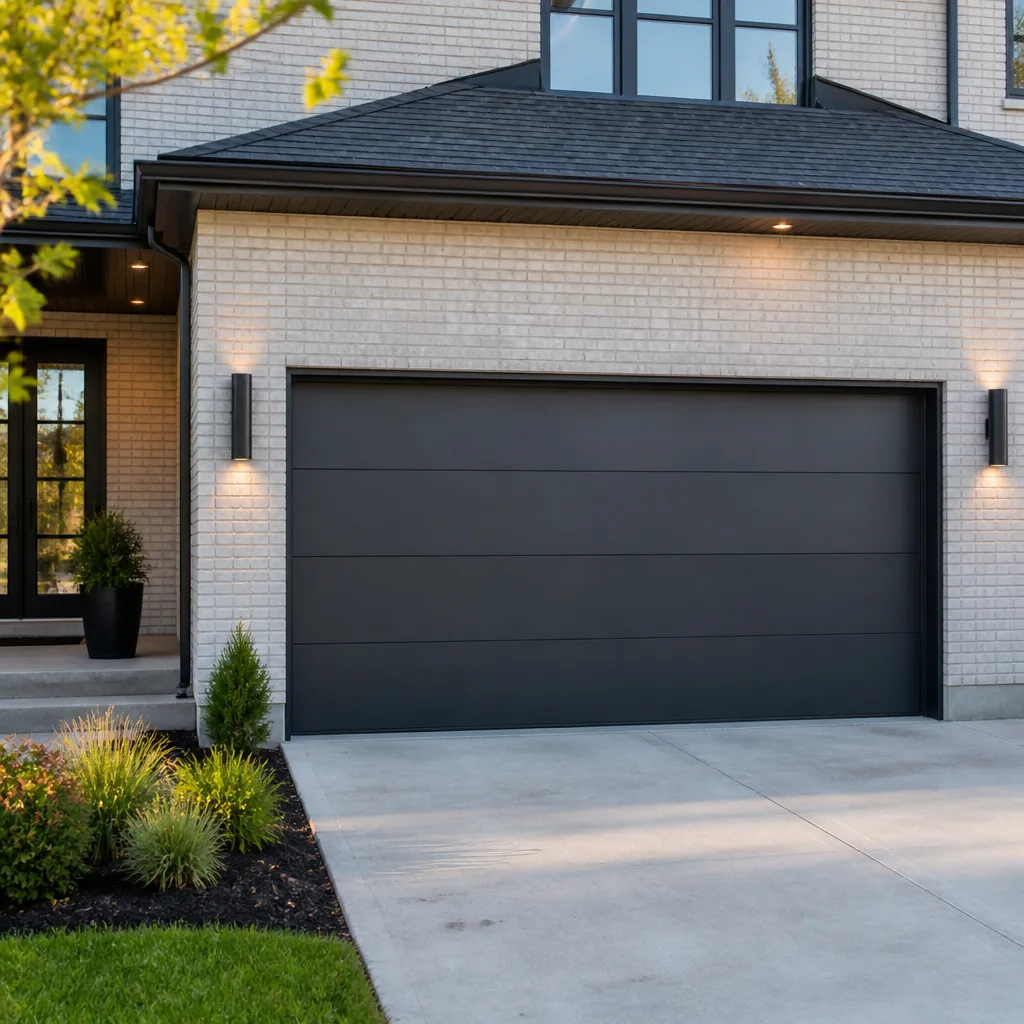 Modern flush
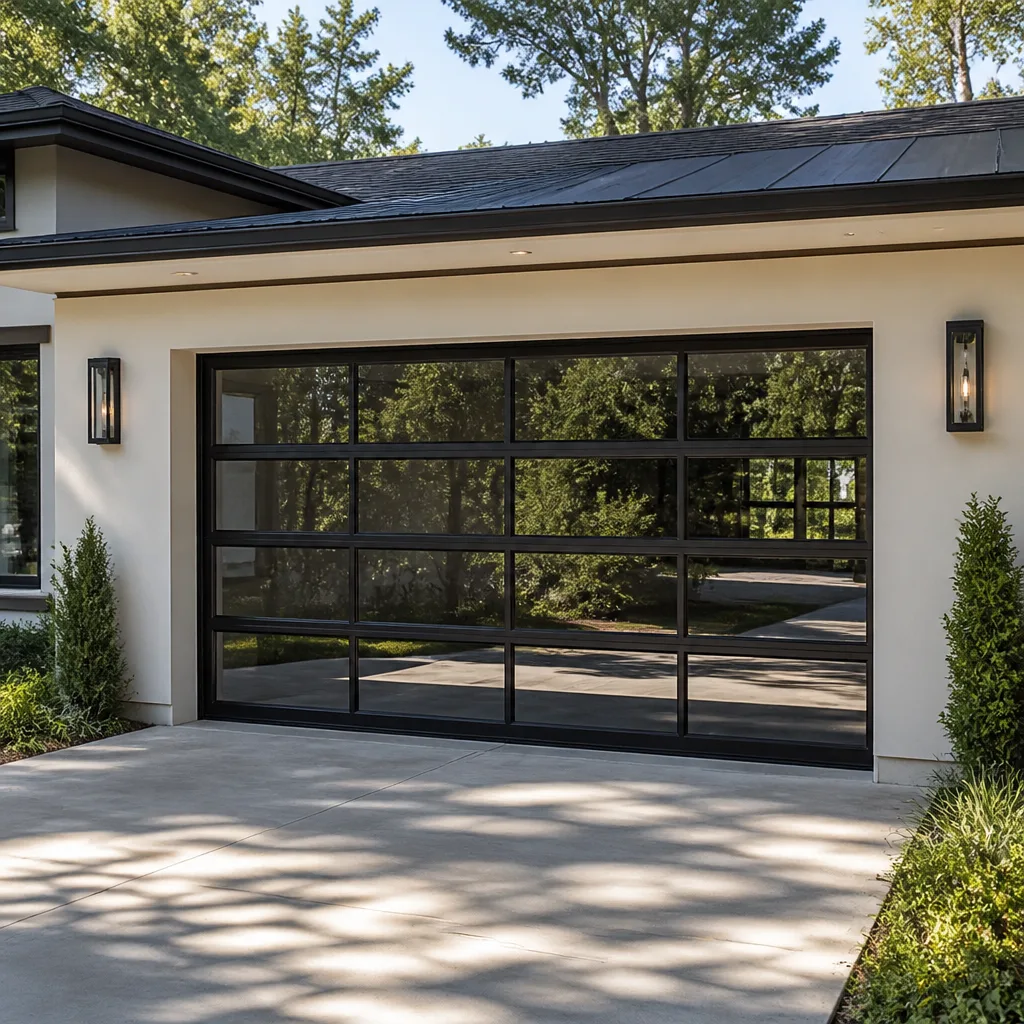 Full-view glass
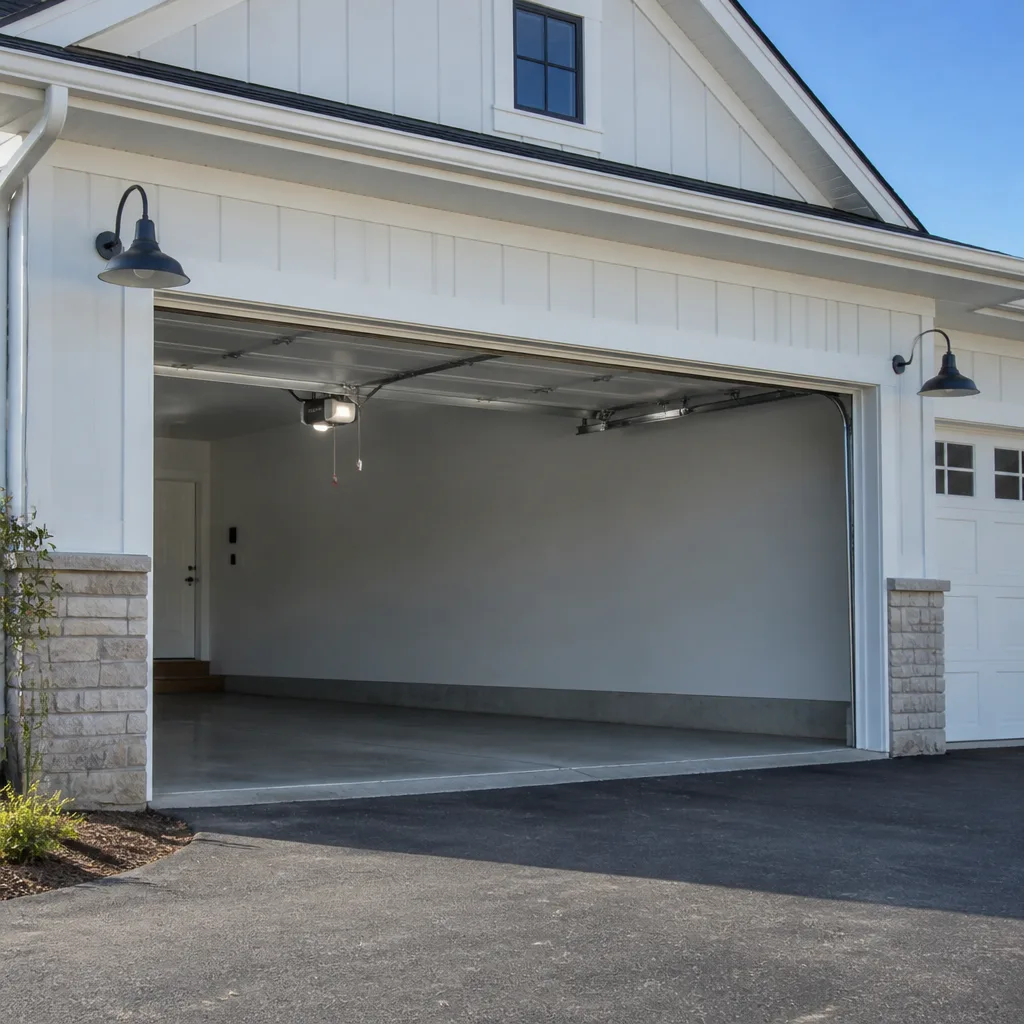 LiftMaster openers
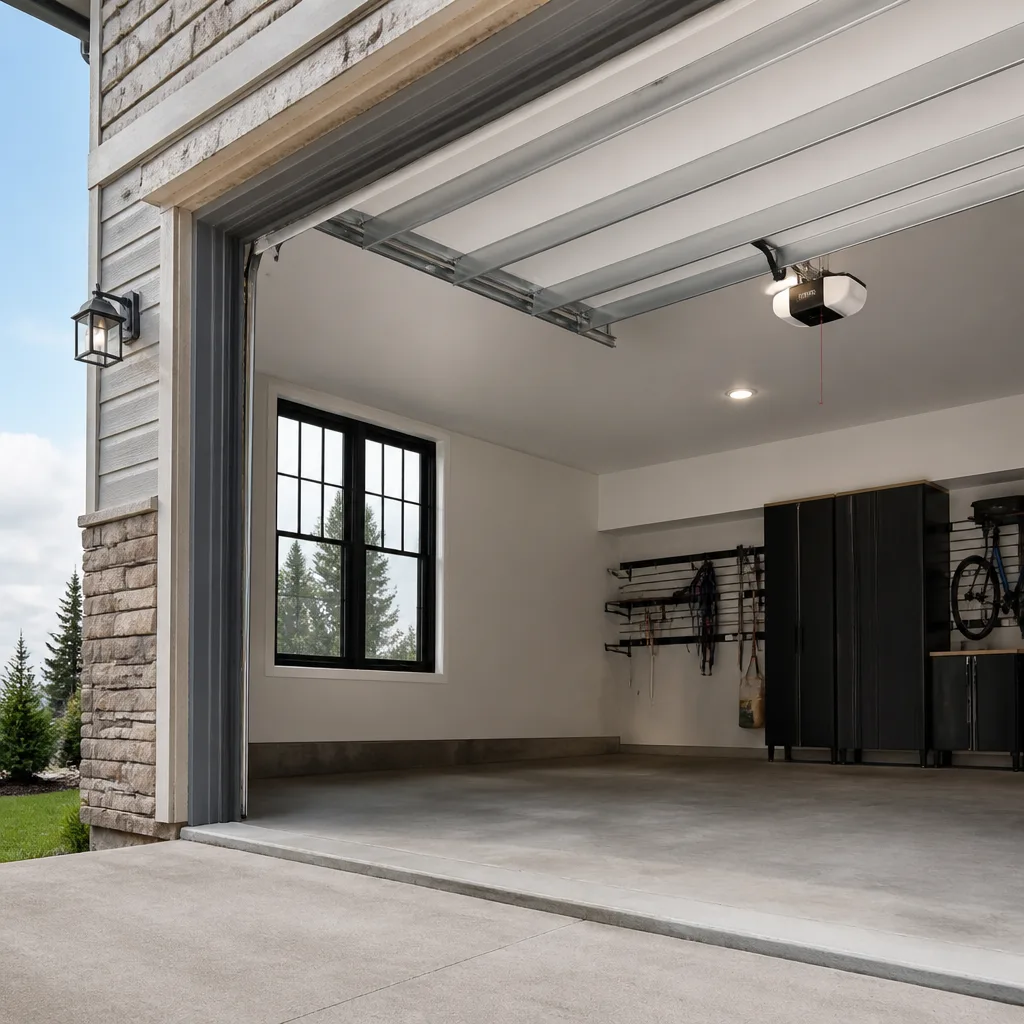 Chamberlain openers
Full 25-point door and opener safety check with every visit - springs, cables, rollers, tracks, and your LiftMaster or Chamberlain opener included
You get a price before we start. It does not change when the pro arrives.
Get your free estimateSeasonal Garage Door Care for Paterson: Year-Round Homeowner’s Guide
Most garage door advice treats the calendar like a two-season schedule: tune it up in spring, button it down in fall. Paterson doesn’t work that way. Between the Passaic River basin’s humid summers, the freeze-thaw swings that run from November through March, and the way the heating season changes the air inside an attached garage, a door here passes through four distinct stress windows, and each one attacks different parts of the system. We’ve seen how a missed October inspection turns into a January service call, and how a spring that seemed fine in September starts sounding wrong the first week the temperature drops below freezing. This guide maps what to check, when to check it, and what to leave to a technician, keyed to the actual seasonal rhythm in Paterson.
Quick Answer
Garage door care in Paterson works best on four seasonal windows, not two: a pre-winter inspection in late October and early November (springs, cables, weatherstripping, lubrication), a cold-weather watch through the freeze-thaw months of December to March, a humidity check in July and August (wooden panels, bottom seals, hardware corrosion), and a fall prep cycle in September and October that also tunes the opener for the temperature swings ahead. Springs are the part that fails first and the part you should never touch yourself.
Styles & brands we work with
- Raised-panel steel
- Carriage house
- Modern flush
- Full-view glass
- LiftMaster openers
- Chamberlain openers
Table of Contents
- Why Paterson Demands Four Seasonal Checkpoints, Not Two
- Fall Checklist: Prep Before the First Freeze
- Winter and Freeze-Thaw: What Actually Happens to Springs
- The Spring Preadjustment Question: What It Means Mechanically
- Summer Humidity and the Passaic County River Basin
- Prepping the Opener for Temperature Swings
- The Fall Lubrication Protocol That Prevents January Calls
- Common Mistakes to Avoid
- When to Call a Professional
Why Paterson Demands Four Seasonal Checkpoints, Not Two
A garage door in Paterson runs through a wider temperature range than most of the country expects. Summer afternoons push into the low 90s. January nights drop well below freezing. That swing alone would be enough to matter. What makes it harder is how quickly the swing happens here, and how often it reverses within a single week. A torsion spring that gets cold and stiff on a Tuesday morning may be warm and flexible again by Thursday. That cycling is what wears metal.
Every part of the system responds to temperature change at a different rate. Steel springs contract and stiffen. Aluminum door sections expand slightly. Wooden sections swell and shrink. Grease on the rollers and hinges thickens in cold and thins in heat. Cable tension shifts with each change. Multiply that by a full year of cycles and you get a system where the timing of maintenance matters as much as the maintenance itself.
Here’s the four-window breakdown we use when we talk to homeowners in Paterson:
- Late October to early November: the pre-winter inspection. Every spring, cable, roller, and weather seal gets checked before the first hard freeze.
- December through March: the freeze-thaw watch. Springs, cables, and the bottom seal take the pressure. This is when most surprise failures happen.
- April through June: the recovery window. Hardware loosened by winter gets retightened and the opener gets a load check.
- July through August: the humidity check. Wooden doors, bottom seals, and metal contact points are the focus.
This isn’t a marketing schedule. It’s what the mechanics of the system actually demand in this climate. Most homeowners who call us for a repair in Paterson are calling because one of these windows was skipped, and the part that should have been checked two months earlier finally gave out. If you’d rather not track it on your own, the pages for garage door repair walk through how a technician assesses the whole system in one visit.
Fall Checklist: Prep Before the First Freeze
The most valuable garage door maintenance in Paterson happens before the first sustained freeze, not after. Cold doesn’t break parts on its own. It exposes parts that were already compromised. A spring that lost a little tension in September feels noticeably wrong in December. A cable with one frayed strand in October is a snapped cable in January. Do the check in October, while the system is still warm enough to work on comfortably and while there’s time to order a replacement before it’s needed.
Here’s the sequence we recommend:
- Test the door’s balance manually. With the opener disconnected, lift the door to the halfway point and let go. A balanced door stays put. If it drops or rises on its own, the spring tension has shifted and the system needs attention.
- Look at the torsion spring or springs. A visible gap in the coil, a bent section, or rust streaks running down the coils all point to a spring that’s near the end of its life. Don’t touch it. Look only.
- Inspect the cables at the bottom corners. Frayed strands, kinks, or a cable that looks slack on one side mean a cable that needs replacing before winter.
- Check the bottom weather seal. Run a hand along the rubber where it meets the floor. Cracks, tears, or a seal that flattens out instead of springing back means cold air and precipitation will get under the door all winter.
- Test the auto-reverse on the opener. Put a 2×4 flat on the floor under the door and close it. The door should reverse on contact. This is not optional in New Jersey, and it’s a safety feature that cold can make unreliable.
- Look at the door panels for gaps or separation. Wooden sections that have swelled from summer humidity can pull apart at the joints when they dry out in fall. Metal panels that took a hit from a stray wheelbarrow will rust once salt and moisture reach the scratched metal.
If any of those checks come back uncertain, that’s a good moment to have a technician look at the whole door. The garage door spring repair page covers what a failing spring looks and sounds like, in detail.
Winter and Freeze-Thaw: What Actually Happens to Springs
Freeze-thaw cycling in the Paterson area is harder on torsion springs than sustained cold would be. That’s counterintuitive, and it’s worth explaining. When a spring stays cold for weeks, the metal reaches a stable temperature and its tension settles. When the temperature drops below freezing overnight and climbs back into the 40s by midday, the metal expands and contracts through the same range twice in 24 hours. That repeated cycling is what fatigues the steel.
A torsion spring is a piece of steel under constant load. Every expansion and contraction adds a tiny amount of wear at the grain level. Multiply that by dozens of freeze-thaw cycles per winter in Paterson, then add a door that’s opening and closing several times a day, and the spring has lived a harder life than the same spring in a milder climate would have. That’s why we recommend checking springs before winter, not during it. Once the cold is here, the best you can do is catch a failure before it locks the door fully in place.
What to watch for through the winter:
- A loud bang from the garage. A torsion spring failing sounds like a gunshot. If you hear it, stop using the door entirely and call for service.
- A door that feels heavier than usual when you lift it by hand. Do this only with the opener disengaged and only once, to test. If it’s heavier than you remember from fall, a spring has partially lost tension.
- A door that opens unevenly or looks crooked. A snapped cable on one side will make the door rack against the tracks. Stop using the door.
- Grinding or popping sounds. Usually rollers or hinges, but could indicate a spring that’s under-tensioned and dragging through the mechanics.
None of these are repairs a homeowner should take on. Springs are the most dangerous part of any garage door system, and it’s not a DIY job. The coils hold enough stored energy to cause serious injury even when the door is fully closed. When a spring fails in Paterson during the winter, call our line, and we’ll get a technician out as fast as possible. We answer 24/7. Fast dispatch, 7am-7pm.
The Spring Preadjustment Question: What It Means Mechanically
You may have read that a technician “preadjusts” or “pre-tensions” a spring before winter. Here’s what that actually means. A torsion spring is set at the time of installation to a specific number of turns, calibrated to the weight of the door. Over months of use and temperature cycling, that number of turns drifts slightly. The spring doesn’t lose its physical dimensions, but its effective tension changes. “Preadjusting” means winding the spring back to or near the correct tension so the door lifts smoothly and the opener doesn’t have to work harder than it should.
That process is not owner-safe. Winding a torsion spring requires two winding bars held at specific angles while turning the set screws, and the amount of stored energy in the spring at any point in the process is enough to break bones or worse if a bar slips. The safe preadjustment step for a homeowner is to test the door’s balance in October and, if it feels wrong, call for service. A technician can measure the spring tension accurately, check whether the spring is still in good condition, and adjust or replace accordingly. There’s no version of preadjusting a torsion spring that should be done without training and professional tools.
Extension springs have their own tension adjustment that’s slightly less dangerous but still not a homeowner job in our view. They’re under load along the track and can snap violently when adjusted wrong. The spring page covers both types and what to expect from a repair. If your door has a Raynor or Chamberlain-brand opener and the spring feels off, the safest call is a technician who knows the whole system, not just the spring.
Summer Humidity and the Passaic County River Basin
Paterson sits in the Passaic River basin, and the moisture in the air from July through September is the second force that shapes garage door care here. It works differently than cold does. Cold exposes weakness in the springs and cables. Humidity attacks the door itself: the wooden sections, the bottom seal, and every unpainted metal contact point inside the garage.
Here’s where the damage shows up:
- Wooden door sections swell. The joints between sections can bind or separate as the wood absorbs moisture. In extreme cases, the door warps enough that it drags on the tracks. If your door is wood and it hasn’t been sealed with a quality exterior finish in the last few years, summer is when that decision catches up.
- Bottom weatherstripping softens and tears. The rubber or vinyl seal at the bottom of the door takes the full humidity load and holds it against the concrete floor. A seal that’s checked dry in fall can look fine and then crumble from the inside by late summer.
- Rollers and hinges corrode at contact points. Steel rollers on steel hinges in a humid garage will develop rust at the pin and at the shaft. That rust turns into a grinding sound and eventually a seized roller.
- Panel seams wick moisture. Steel panels that have been scratched or dinged collect moisture in the seam and start rust bubbles from the inside out. That’s the kind of damage that gets expensive if you let it run for a full summer.
The good habit here is a single summer walk-around. Feel the bottom seal, look at the door’s edges for rust streaks, and check whether any wooden sections are binding when the door opens. Any of those signs is a small repair now and a bigger one if it waits until the fall.
Prepping the Opener for Temperature Swings
Most seasonal garage door guides focus entirely on the door and forget the opener. That’s an oversight. The opener is a motor with electronics and a temperature-sensitive safety circuit, and it has its own behavior in Paterson’s weather. The lift motor and the circuit board inside the housing live in an unheated, un-air-conditioned space attached to the house, which means they see the same temperature extremes the door does.
Here’s what to check as the seasons change:
- Test the safety reverse before every seasonal transition. The 2×4 test is the standard, and it needs to be done on both settings. Cold and heat both affect the photo-eye alignment and the opener’s travel limits, so a reverse that worked in August may fail in December.
- Check the opener’s force setting. Most LiftMaster, Chamberlain, and Genie openers have a force adjustment (sometimes called sensitivity or pressure adjustment). When the temperature drops and the door gets heavier, the opener may need slightly more force to lift it. That adjustment should only be made by a technician, because raising it too far defeats the safety reverse.
- Look at the belt or chain drive. Rubber belts tighten in cold and sag in heat. Chain drives are more tolerant of temperature but need periodic lubrication. If your opener uses a belt and it’s more than a few years old, cold-weather belt tension deserves a check.
- Test the battery backup if the opener has one. Battery backup on modern openers can go flat over time. A backup that fails silently is worse than no backup, because you’ll discover the problem the night the power goes out.
- Wipe the housing and inside the safety eye lens. Dust and cobwebs build up in the corner of the garage through the summer and interfere with the safety eyes. Clean lenses in October and again in April.
If the opener is behaving oddly in either heat or cold, some diagnostics are homeowner-safe: you can test the wall switch and the remote, check the manual release, and confirm the safety eyes. When a LiftMaster, Chamberlain, or Genie opener starts displaying error codes or stops working entirely, our garage door opener repair page covers the common failure modes on those brands and how they’re diagnosed. Fast diagnosis because we know the brand systems inside out is the whole point of hiring a specialist for the opener instead of a general handyman who happens to be nearby.
The Fall Lubrication Protocol That Prevents January Calls
Most January service calls in Paterson trace back to something that happened in October, and the most common culprit is skipped or wrong lubrication. Here’s the mechanical reason. Lubricant on hinges, rollers, and the torsion shaft is what keeps the door moving freely when metal contracts and stiffens. When the garage drops below freezing and the lubricant has dried out or been applied wrong, the rollers seize, the hinge pins bind, and the opener has to work against four times the resistance it should. That’s when parts start breaking.
Here’s the lubrication approach that holds up in New Jersey temperatures:
- Use a lithium-based white grease or a dedicated garage door lubricant designed for the temperature range. Standard WD-40, engine oil, or household grease will gum up or wash away by the first freeze. A quality white lithium grease stays where it’s placed across a wide temperature range.
- Focus on hinge pins, roller shafts, and the torsion shaft bearings. Those are the actual friction points. Don’t spray the spring itself. Springs don’t need lubrication, and some manufacturers specifically warn against it.
- Apply in October after the seasonal inspection. The grease needs to sit dry and set before the cold hits. Applying it in December, once things have already stiffened, is better than nothing but not as effective as fresh grease in the fall.
- Wipe off excess. Excess grease collects dust and dirt that turns into an abrasive paste over the winter. A thin, even coat is more effective than a heavy one.
- Repeat in spring, not in the middle of winter. Two applications a year is usually enough. A mid-winter re-application is often a sign the original job wasn’t done well.
When the door still starts dragging in the cold after a proper lubrication, that’s a sign of a mechanical problem that lubrication can’t fix. At that point, the right call is a technician, and the Paterson Garage Door Repair team can look at the whole system and trace the actual cause.
Common Mistakes to Avoid
- Treating fall as the only maintenance window. Fall prep matters, but skipping the summer humidity check produces just as many repairs in Paterson. Wooden doors and bottom seals need eyes on them in July, not just October.
- Spraying the torsion spring with lubricant. Springs don’t need it, and some manufacturers explicitly warn that lubricant can damage the spring coating. Keep grease off the coils and on the moving metal joints only.
- Adjusting the opener’s force setting upward to fix a heavy door. That’s the equivalent of turning the radio up to hide an engine noise. It makes the symptom less noticeable and the underlying mechanical problem worse, and it can defeat the safety reverse.
- Ignoring a small bottom-seal tear in summer. A seal with a small crack in July is often a torn seal by October, and a wet garage floor all winter. Replace it while the weather is warm and the job is quick.
- Using the wrong lubricant because it’s what’s in the garage. WD-40, silicone spray, or leftover motor oil are the wrong choices for hinges and rollers on a garage door. They don’t stay put in a New Jersey winter.
- Skipping the auto-reverse test after temperature changes. The safety reverse setting that worked in summer can fail in cold. Test it twice a year, minimum, and any time you notice the door behaving differently in either direction.
- Lifting a door with a broken spring by hand to “get it open”. A door with a snapped spring on one side is a door with uneven load on a bending track. Forcing it up can snap a cable or bring the door down. Don’t touch it, and don’t try to open it.
When to Call a Professional
Some seasonal garage door work is genuinely homeowner-safe: cleaning the safety eye lenses, applying grease to hinges and rollers, testing the auto-reverse, checking the weather seal visually, wiping the opener housing. Every other signal is a call. A spring that’s lost tension, a cable with frayed strands, a door that racks against its tracks, an opener that trips the safety reverse too easily, a bottom seal that’s torn through, or a hinge that’s seized and grinding, all of them need a technician. The three specialties on our service menu are door repair, opener repair, and spring repair, and that’s every mechanical failure a residential door can present. Our technicians have up to 11 years of experience, and every one of them is a garage door technician, not a multi-trade handyman who does doors on the side. Paterson Garage Door Repair offers free estimates in Paterson, and every price is set per job by the written estimate so you know the number before any work begins. Call (866) 937-7714.
See the difference
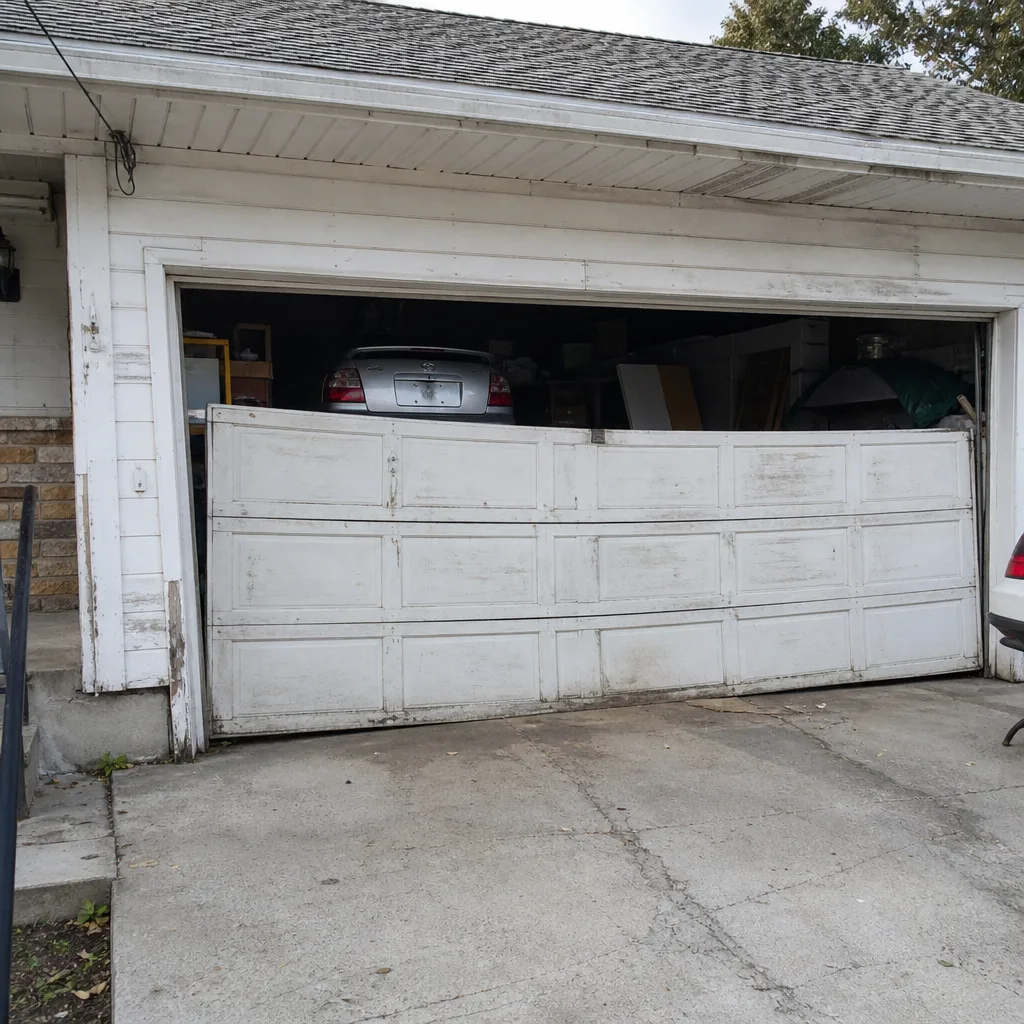 Before
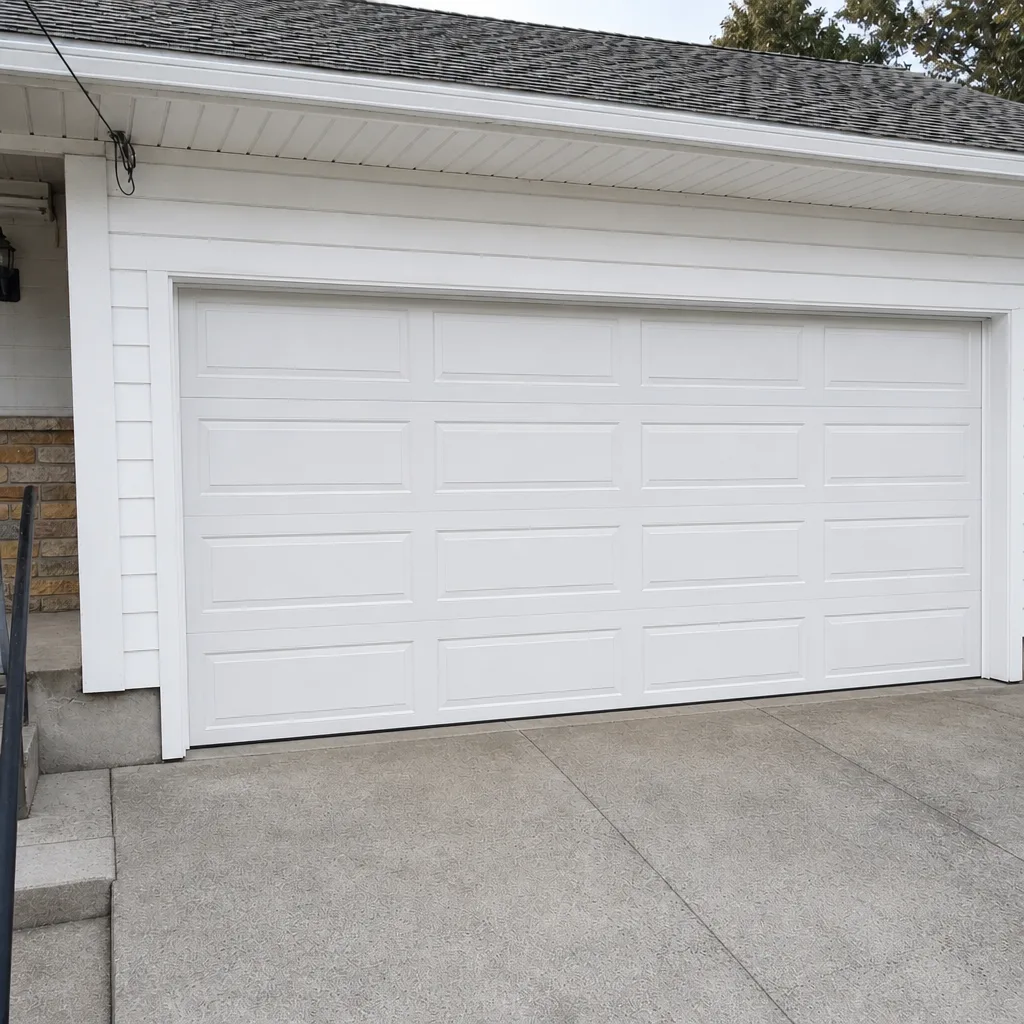 After
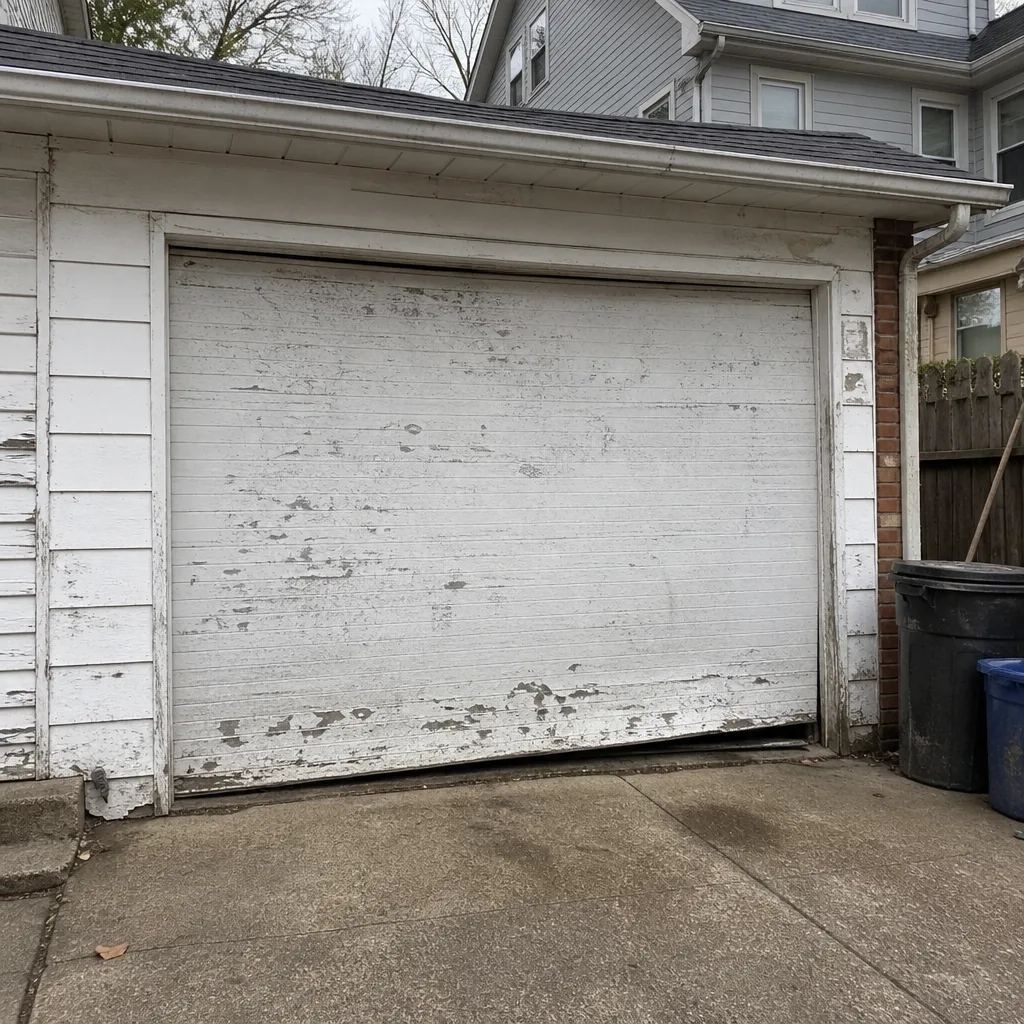 Before
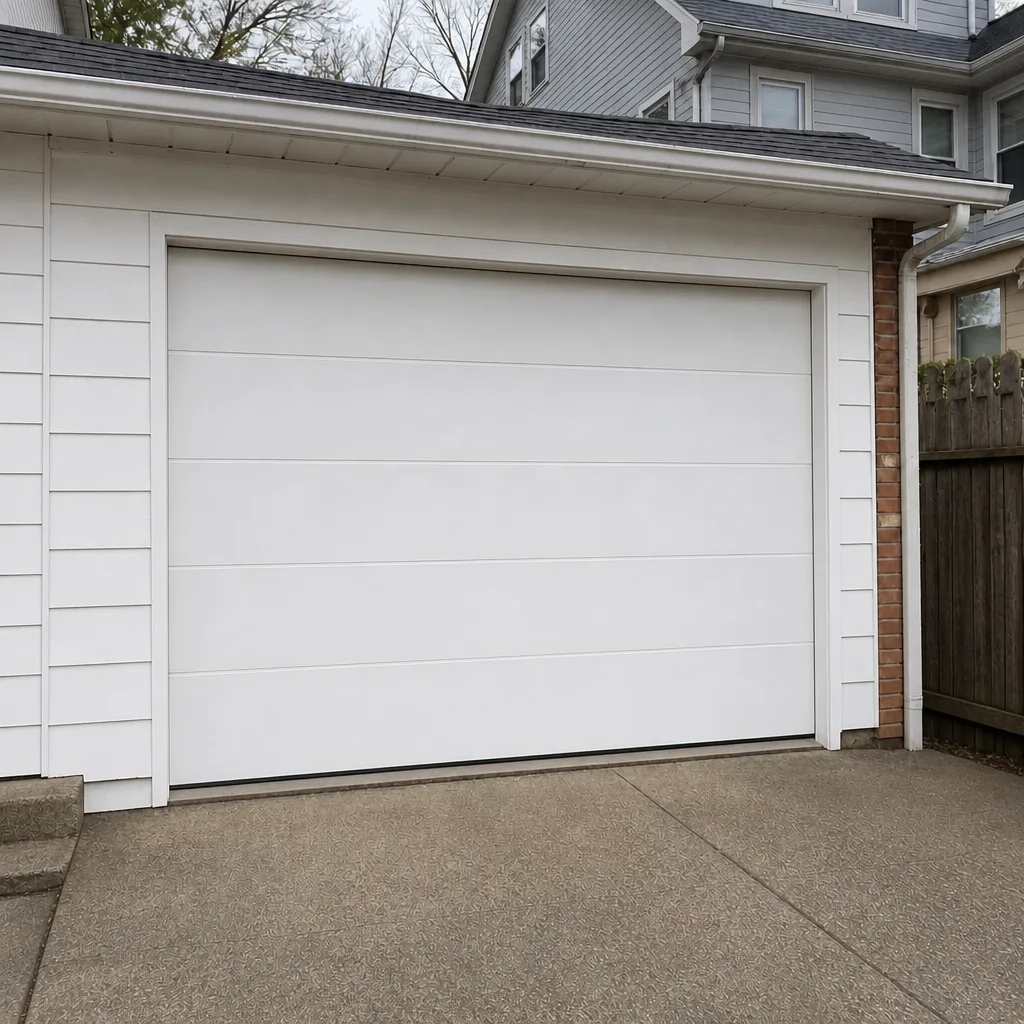 After
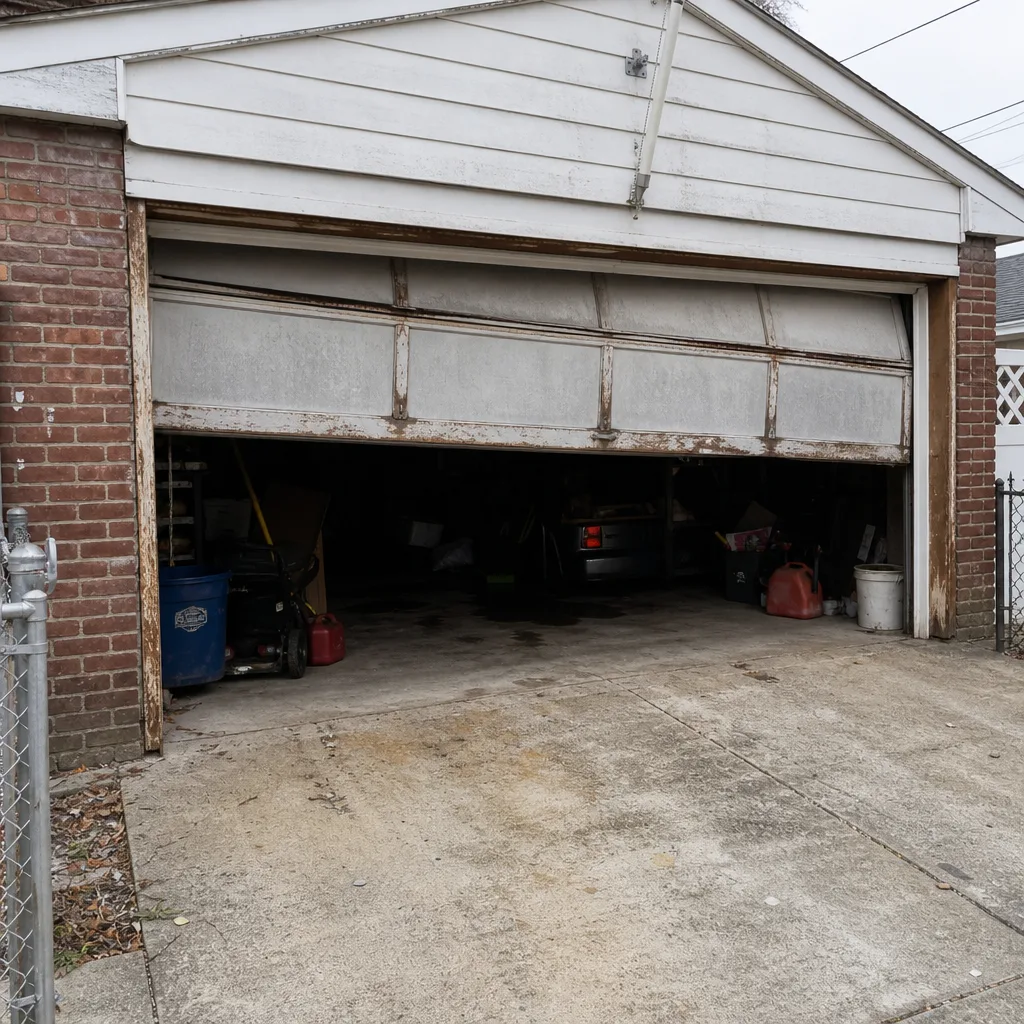 Before
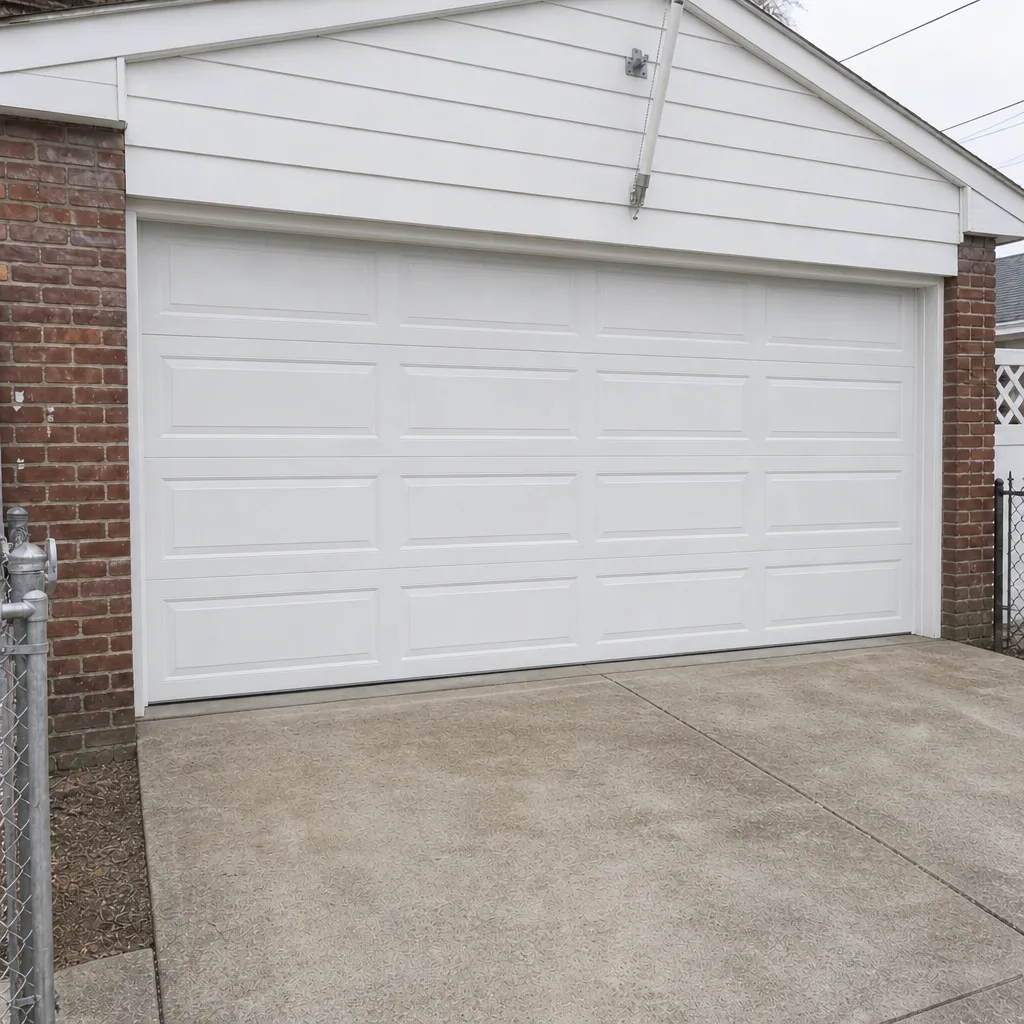 After
Frequently Asked Questions
Twice a year, keyed to the seasonal windows this guide outlines: once in late October or early November before the first freeze, and once in spring after the heating season ends. The ideal pattern is a full inspection in fall and a lighter check in spring plus a summer humidity walk-around. Homeowners who follow the four-window approach in this guide end up calling for fewer repairs than those who wait for something to break.
No. Winding or adjusting a torsion spring requires professional tools and training, and the stored energy in the spring is dangerous even when the door is fully closed. The safe homeowner action is to test the door’s balance in October and call a technician if it doesn’t hold. Springs are the most dangerous part of any garage door system, and it’s not a DIY job. Call (866) 937-7714 for an exact quote on a spring inspection; estimates are free.
Because the freeze-thaw cycling that runs from November through March is harder on springs and cables than sustained cold would be. Metal expands and contracts repeatedly through dozens of cycles per winter, and that fatigue adds up on parts that were already near the end of their life. A spring that would have failed in spring often fails in January when the temperature swings fastest.
A lithium-based white grease or a garage door lubricant rated for cold temperatures holds up best. Standard WD-40, silicone spray, or engine oil won’t stay in place once the temperature drops below freezing. Apply it to hinges, roller shafts, and torsion shaft bearings in October, not to the spring itself. Lubrication that’s done right in fall prevents the most common January service calls.
Yes, especially for wooden doors and rubber bottom seals. The Passaic River basin holds more moisture in the air than a drier climate would, and that moisture swells wooden door sections, softens bottom weatherstripping, and rusts steel contact points on hinges and rollers. A single summer walk-around, checking for swelling wood, torn seals, and rust streaks, prevents most humidity-related repairs.
No. The price you’re quoted at the written estimate is the price for the job, and the work doesn’t start until you’ve agreed to it. If we discover something during the visit that was not visible at diagnosis, we’ll explain it and re-quote before touching anything, so the cost never comes as a surprise. Call (866) 937-7714 for a free estimate.
The Bottom Line
Garage door care in Paterson follows four seasonal windows because the climate here creates four distinct kinds of stress: pre-winter prep in October and November, freeze-thaw watch through winter, humidity checks in summer, and a fall lubrication cycle that prevents most January calls. The springs are the part that fails first and the part you should never adjust yourself. The opener, the bottom seal, and the moving hardware all have their own seasonal needs, and the small repairs you make in one season are what stop the big ones from showing up in the next. Track the four windows, keep a lithium grease habit in fall, test the safety reverse twice a year, and call a garage door specialist when anything feels off. Fix first, replace only when necessary.
Call (866) 937-7714 for a free estimate. We answer 24/7. Fast dispatch from 7am to 7pm, Sunday through Friday.
Written by the team at Paterson Garage Door Repair.