
Last updated November 20, 2026
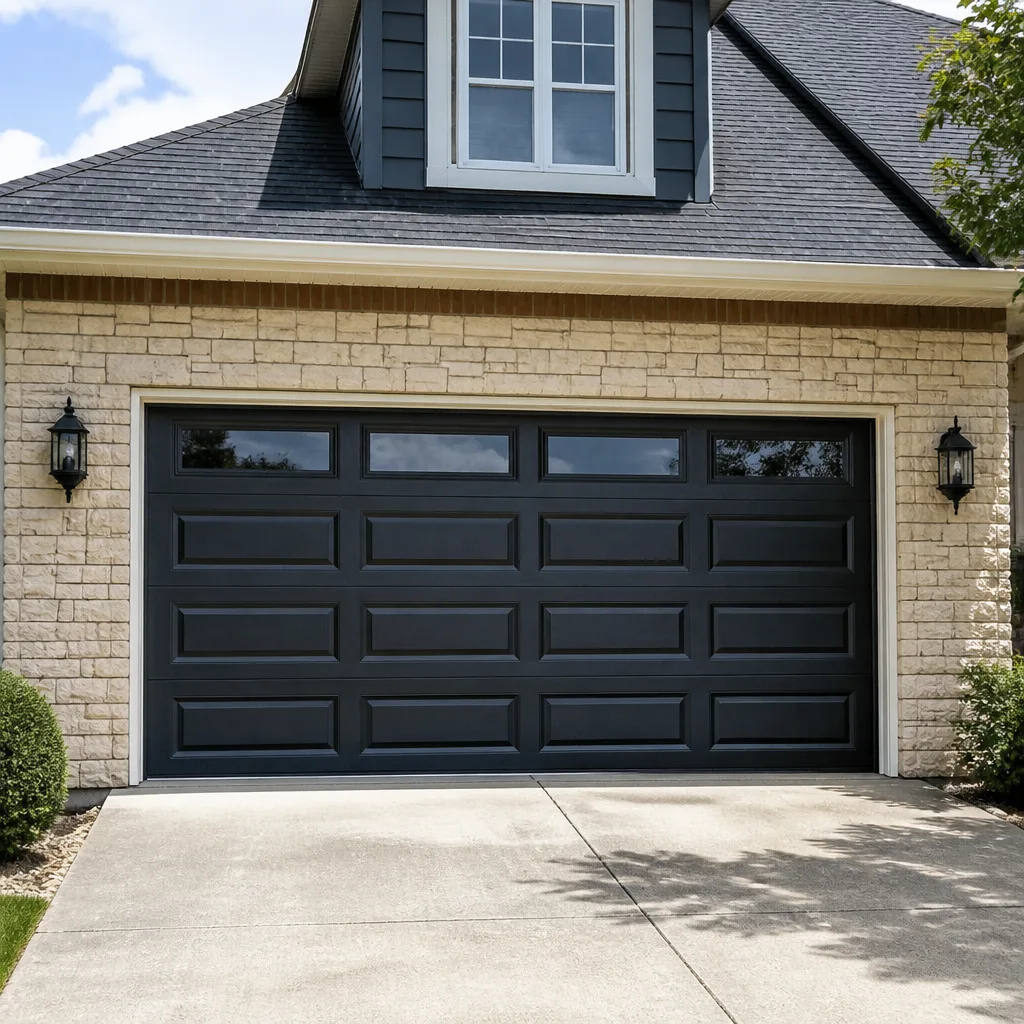 Raised-panel steel
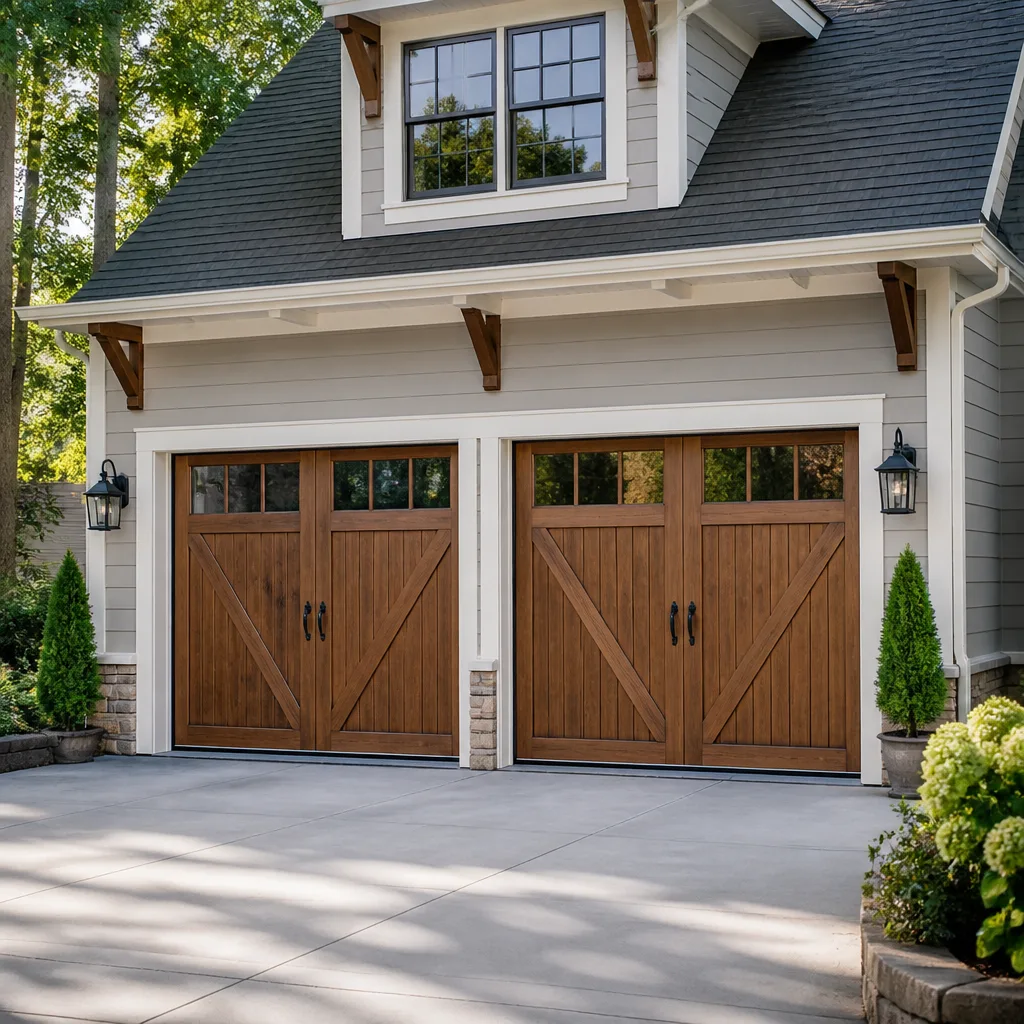 Carriage house
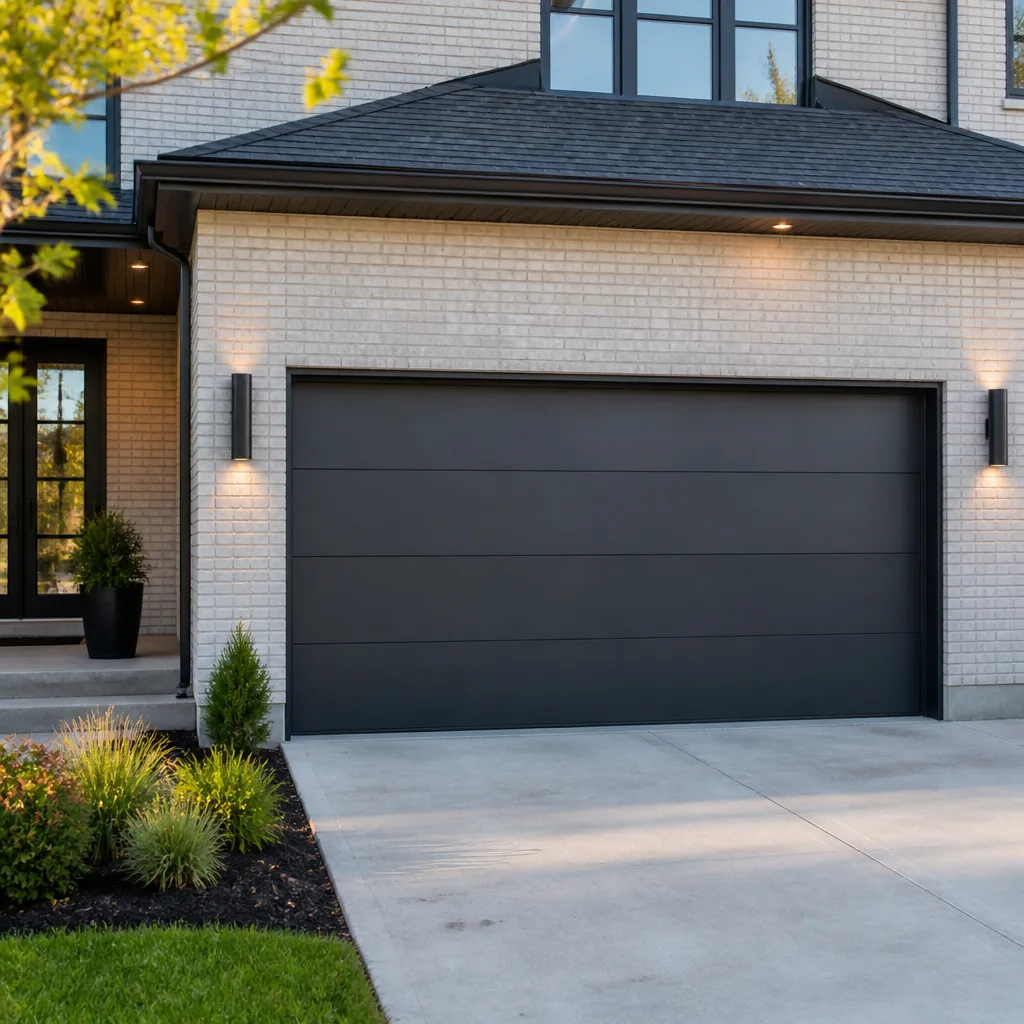 Modern flush
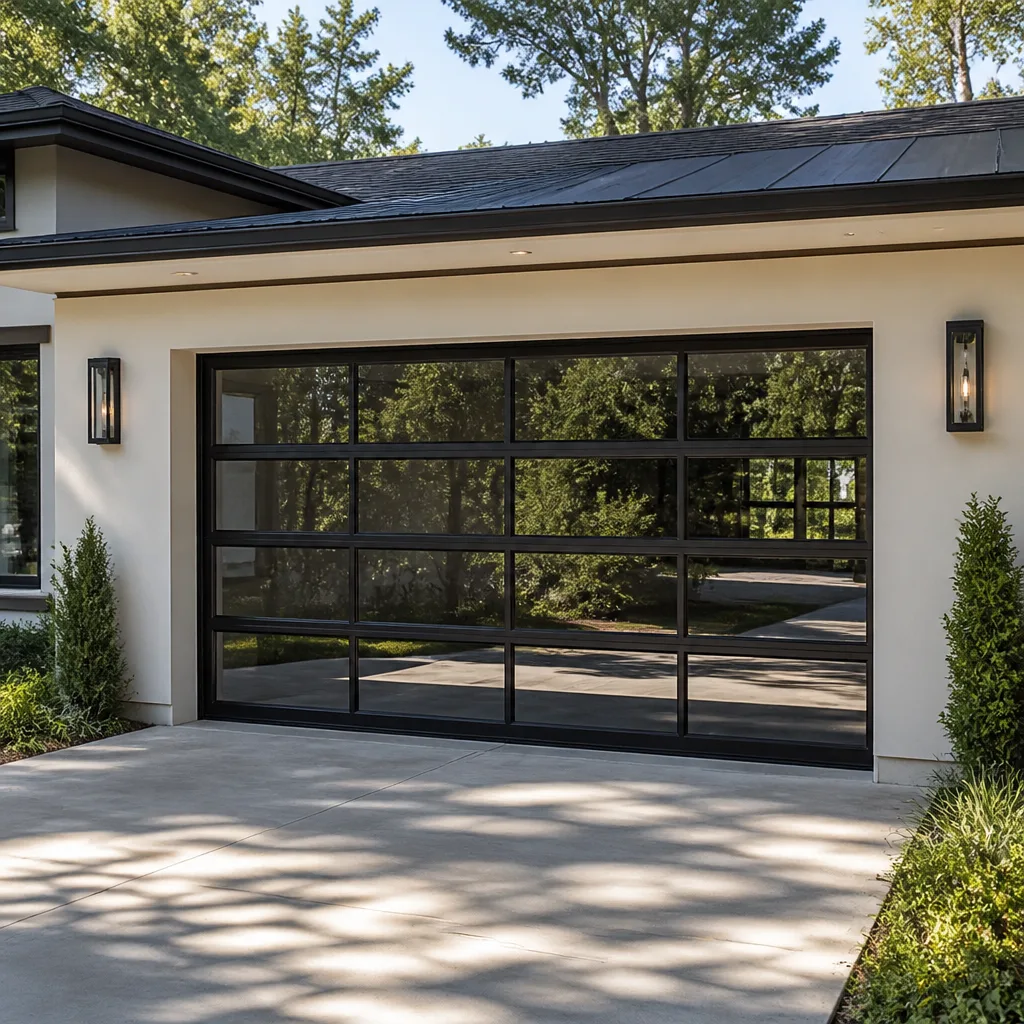 Full-view glass
 LiftMaster openers
 Chamberlain openers
Full 25-point door and opener safety check with every visit - springs, cables, rollers, tracks, and your LiftMaster or Chamberlain opener included
You get a price before we start. It does not change when the pro arrives.
Get your free estimateGarage Door Permits, Codes & Inspections in Paterson, NJ: What You Need to Know
A garage door replacement done without a required permit doesn’t become a problem until you try to sell. By then the contractor who did the work is long gone, the paperwork was never filed, and the fix lands squarely on you. That’s the part most Paterson homeowners don’t hear when they’re quoted a new door. In this guide we walk through the New Jersey Uniform Construction Code thresholds that decide whether your project needs a permit, what Paterson’s building department reviews during an inspection, how wind-load rules shape panel specs on wider doors, and how to clean up an unpermitted installation before a sale forces the issue. If you’re replacing or modifying a garage door in Paterson, this is the reference to keep.
Quick Answer
In Paterson, replacing a garage door generally requires a building permit under the New Jersey Uniform Construction Code because a door is a structural and wind-load component of the home. Swapping out an opener, changing a broken spring, or routine repair work does not typically require a permit. When a permit is required, the work is inspected against the plans filed and the manufacturer’s specifications, including wind-load ratings for the door size in question. Always confirm the trigger with the Paterson building department before work begins, since the final answer depends on the scope of your specific project.
Styles & brands we work with
- Raised-panel steel
- Carriage house
- Modern flush
- Full-view glass
- LiftMaster openers
- Chamberlain openers
Table of Contents
- What Counts as a Permitted Garage Door Project in NJ?
- When Your Garage Door Project Is Exempt From a Permit
- New Door Permit vs. Opener Replacement: The Distinction That Trips People Up
- Wind-Load Requirements and Doors Wider Than 9 Feet
- What Paterson’s Building Department Actually Reviews
- How a Permitted Garage Door Project Usually Runs, Step by Step
- Fixing an Unpermitted Garage Door Before It Surfaces at Sale
- Where a Garage Door Specialist Fits In
What Counts as a Permitted Garage Door Project in NJ?
The New Jersey Uniform Construction Code treats a garage door as part of the building envelope, not as an appliance. That’s the key distinction. Anything that changes the door opening, the structural connection, or the door’s rated performance is a construction project and generally triggers a building permit. Repairing or servicing what’s already there usually doesn’t. The line sits between replacing a component and replacing the assembly, and knowing where the line falls saves you a headache years later.
In practical terms, these projects typically require a permit in Paterson:
- Replacing the entire garage door with a new door of the same or different size
- Changing the rough opening dimensions for the door
- Switching door type (for example, sectional to roll-up, or wood to steel)
- Changing the door’s wind-load rating or impact classification
- Reinforcing or altering the header, jambs, or track attachment points
- Adding a new garage door where none existed before
These projects generally do not require a permit:
- Replacing a broken torsion or extension spring with a matching part
- Replacing opener motor units, remotes, wall buttons, or safety sensors
- Adjusting tracks, rollers, hinges, or cables as a repair
- Routine lubrication, balance adjustments, and tune-ups
- Replacing weather seals, bottom rubber, or windows in the same panels
The UCC draws this line based on whether the work affects structural, fire, energy, or wind-resistance performance. A spring swap doesn’t change the door’s engineering. A new door does. When in doubt, call the Paterson building department and describe what you’re doing in one sentence: “I’m replacing the door, same size, same style” gets a clear answer fast.
We work on garage doors in Paterson every week and the permit question comes up most often when a door is getting replaced, not repaired. Our approach is always fix-first: when a door can be repaired honestly and safely, that’s the path, and no permit is involved because no structural change is being made. When replacement is genuinely required, we’ll tell you a permit is part of the project so nothing gets skipped.
When Your Garage Door Project Is Exempt From a Permit
Most of what goes wrong with a garage door in Paterson is not a permitting issue. It’s a mechanical one: a snapped spring, a dead opener, a door that comes off its track. Those are repairs, and repairs to an existing door don’t need the building department involved. Knowing this matters because homeowners sometimes assume every garage door call requires a permit, and the assumption leads to over-scheduled projects, extra fees, and slower fixes for problems that could be handled in one visit.
In general, the following are treated as repair or maintenance and fall outside the permit requirement:
- Spring replacement: the springs are consumable parts, not structural components. Replacing a torsion spring with the same rated spring doesn’t change the door’s engineering. (This is also the most dangerous job in the trade – see below.)
- Opener replacement: swapping a LiftMaster or Chamberlain unit for another one of similar capacity doesn’t alter the door assembly.
- Roller, hinge, and cable replacement: these are wear items, replaced as a matter of maintenance.
- Track realignment: adjusting an existing track back to its designed position isn’t a structural modification.
- Seal and weatherstrip replacement: keeping the door and replacing the bottom rubber is routine.
- Panel replacement for damage: if you’re swapping a single dented panel for a matching panel, and the door’s rated performance isn’t changed, this usually doesn’t need a permit. Confirm with the building department if you’re unsure.
One caveat: if a repair changes the door’s wind-load rating – for example, replacing a panel with a lighter-weight panel not rated for the original specification – the project starts to look more like a modification than a repair. That’s the trigger to ask.
Safety note before we move on: springs are under extreme tension and have caused serious injuries to homeowners who tried to replace them without the right tools and training. Spring replacement is not a DIY job. If your spring has snapped, the safe move is to have a trained garage door technician handle it. Our garage door spring repair service exists specifically because this job deserves a specialist.
New Door Permit vs. Opener Replacement: The Distinction That Trips People Up
Homeowners routinely conflate “garage door project” and “garage door opener project.” They’re different trades, different permit answers, and different inspection requirements. In Paterson we get asked about this every week, and clearing it up front saves a lot of confusion.
Replacing the door – the panels, tracks, springs, and hardware assembly – is a building-envelope project. It changes the exterior appearance of the house, the door’s rated wind resistance, and often its weight. That’s a permit.
Replacing the opener – the motor unit, rail, remote, wall button, and safety sensors – is an electrical-appliance change, not a structural one. The door itself doesn’t change, so the building department isn’t involved in the typical case. What matters instead is that the new opener meets current safety requirements, particularly the photoelectric safety sensors and the auto-reverse function. Those have been mandatory on openers sold for residential use since the early 1990s, and an opener without them is a genuine hazard, particularly in a house with kids or pets.
Here’s how to tell which one you actually need:
- The door is dented, rusted, or falling apart, but the opener runs. That’s a door issue. Whether it’s a repair or a replacement depends on the damage. Replacement needs a permit; panel repair usually doesn’t.
- The door is fine, but the opener won’t lift it or the motor is dead. That’s an opener issue. No permit for the opener swap itself.
- The door moves unevenly or feels heavy. That’s usually springs or cables, not the opener. Repair, no permit.
- The whole system is old and failing at once. Get an inspection first. A failing opener often masks a spring near end of life, or vice versa.
If you’ve got an opener problem, we handle garage door opener repair without any permitting hoops, and we work on the brand already in your garage, whether that’s a LiftMaster, Chamberlain, Genie, Raynor, or one of the other systems we service.
Wind-Load Requirements and Doors Wider Than 9 Feet
Wind-load requirements are the part of garage door code that most homeowners never hear about until they’re choosing a door. In New Jersey, residential garage doors have to meet a design wind-pressure rating under the state’s building code, which follows the model codes with local amendments. The bigger the door, the more wind pressure it sees, and the more the structural spec matters. A standard single-car door 8 or 9 feet wide is a different engineering problem than a double-car door 16 feet wide, and both are different from a custom 18- or 20-foot opening.
The wind-load rating a door carries (usually expressed as a design pressure in pounds per square foot) has to match or exceed the pressure the code requires at your location for the door size you’re installing. That rating is stamped on the door or documented by the manufacturer. It’s not a marketing phrase; it’s an engineered number, and the inspector checks it.
Where this gets practical:
- Doors wider than 9 feet wide carry higher wind-load ratings than narrower doors. A door spec’d for a 9-foot single won’t pass for a 16-foot opening.
- Wind-load ratings are door-and-hardware specific. The panels, tracks, hinges, and anchor bolts all have to be rated together. Mixing parts from different rated systems can compromise the assembly’s performance.
- Paterson’s housing stock includes a real mix of older brick rowhouses, two- and three-family homes, and detached garages, so the framing at the door opening varies a lot. Wind-load capacity depends partly on how the door is anchored to that framing, which is why structural reinforcement is sometimes part of the scope.
- Replacement in kind isn’t automatically exempt. If the original door was pre-code (say, a 1960s door installed decades before current wind-load standards), the replacement has to meet the current standard, not just copy the old door’s specs. That can mean a heavier, more heavily reinforced door than the one coming out.
This is the reason we always ask about door size and about the age of the existing opening before quoting a replacement. The correct spec matters more than the visual style, and a door that doesn’t meet wind-load requirements will fail inspection or, worse, get installed and never inspected. If you’re weighing a repair against a replacement, our garage door repair service is the place to start: we’d rather fix what you have than sell you a door that requires a full permitting process if the fix is the right call.
What Paterson’s Building Department Actually Reviews
A Paterson garage door inspection isn’t a general quality check on the door’s appearance. It’s a targeted review of the specific items the code cares about, and the inspector is comparing what’s installed against what was filed on the permit application. Knowing what they look for helps you make sure the project is done right the first time.
In general, an inspection verifies:
- Door matches the permit application. Size, model, and manufacturer should match what was filed. A substitution requires an updated submittal.
- Wind-load rating. The door’s rated design pressure meets or exceeds the required value for its size and location.
- Attachment to framing. The door’s tracks and header are anchored to solid framing, using the hardware specified by the manufacturer.
- Headroom and clearance. The door operates within the designed tolerances, without binding or forcing.
- Opener safety features. If the opener was part of the project, the inspector may check for functioning safety sensors and the auto-reverse feature. Openers are usually a separate trade, so this step varies by permit scope.
- Weather sealing. The door should seal against the opening reasonably well, without gaps that would fail a general building-envelope inspection.
What inspectors most often flag:
- Door installed at a size or model different from what the permit lists
- Wind-load rating below the required threshold for the door size
- Track and hardware anchored into sheathing instead of framing
- Missing or improperly installed door labels (manufacturer’s rating label)
- Reinforcement called for on the plans that wasn’t installed
- An opener with non-functioning safety sensors
Every one of these is fixable before the inspector arrives if the installing contractor knows the code and files accurately. The reason they show up as flags is almost always paperwork or spec mismatch, not sloppy workmanship. That’s an important thing to know when you’re hiring: ask who’s preparing the permit application, who’s responsible for the final inspection, and whether the door spec being quoted is the one being filed.
How a Permitted Garage Door Project Usually Runs, Step by Step
A garage door replacement with a permit involves more coordination than a repair, so it helps to see the sequence before you commit. Here’s how a typical permitted project in Paterson runs. Timelines vary with the building department’s workload and whether any plan review is required, so we usually suggest planning for a couple of weeks end to end rather than a couple of days.
- Site measure and door specification. A technician measures the rough opening, headroom, and side clearance, and matches the door size to a product that carries the correct wind-load rating for that opening in Paterson.
- Permit application filed. The application includes the door spec, the manufacturer’s rated load documentation, and the scope of work. In most cases, the door replacement itself can be filed and permitted at the local building department level.
- Permit issued. Once the permit is in hand, the door can be ordered. Lead times for certain door models can run long, so ordering after the permit is issued keeps the project coordinated.
- Installation. The old door comes down, the opening is checked and prepared, and the new door and hardware go in. Tracks, springs, and safety components are set according to the manufacturer’s spec.
- Self-check and balance. The installing technician balances the door, verifies the spring tension, and tests the opener’s safety sensors if the opener is part of the scope.
- Inspection. The Paterson building inspector reviews the installation against the filed permit. If everything matches, the permit is closed and the project is documented.
- Final paperwork. Keep the permit and the certificate of approval with your home records. The next time this comes up, you’ll have the document that ends the conversation.
A repair project runs much shorter: measure, quote, do the work, no permit, no inspection. If you’re not sure which category your project falls into, an on-site estimate answers it in minutes. Our technicians have up to 11 years of experience and they’re trained on the systems in your garage, so the answer comes quickly and the recommendation reflects what the door actually needs.
Fixing an Unpermitted Garage Door Before It Surfaces at Sale
An unpermitted garage door replacement usually doesn’t cause a problem while you’re living in the house. The door works, the opener runs, nobody asks. The problem surfaces years later when you try to sell: a buyer’s inspector notes a newer door than the home records show, the title company asks for documentation, and the sale starts to drag while you chase down paperwork that was never generated.
This is one of the most common permit issues that comes up in Paterson real estate, and it’s fixable. The path is to bring the door into compliance after the fact. Here’s how owners generally resolve it:
- Confirm the permit status. Pull the property’s permit history from the Paterson building department and confirm whether a permit was ever issued for the door. Sometimes the contractor filed one and it was never closed out – a simpler problem than no permit at all.
- Get a professional assessment of the door as installed. A garage door technician measures the door, verifies its model and manufacturer’s rating, checks the installation’s hardware, and documents the current state.
- File a permit as an after-the-fact application. This is the formal step. The building department reviews what’s installed, compares it to current code, and decides whether it can be approved as-is or requires modification.
- Bring the door into compliance if it falls short. If the installed door doesn’t meet current wind-load requirements, reinforcement or partial replacement may be needed before it passes. This is where being able to specify parts by brand and model matters.
- Complete the inspection. The inspector reviews the installation against the after-the-fact permit and, if approved, closes the file.
- Record the approval. Keep the inspection record and the permit number with your other home documents, so the next owner can see the door was brought into compliance.
The longer you wait, the more likely the relevant weights, sizes, and spec documentation are lost or mismatched to the current code. Sorting out an unpermitted installation today, before a sale forces it, is almost always cheaper and simpler than sorting it out during escrow. If you’re facing this scenario, an honest on-site look is the starting point: we’ll tell you what’s installed, what the code requires, and what needs to happen.
Where a Garage Door Specialist Fits In
Garage door work sits at the intersection of three skill sets: the mechanical system (springs, cables, tracks, rollers), the electrical system (openers, sensors, wiring), and the structural system (door attachment, framing, wind-load compliance). General handymen, big-box installers, and multi-trade contractors handle pieces of that, but very few handle all of it. That’s why we focus exclusively on garage doors. Every technician on our team is a garage door technician, not a handyman who also does doors on the side.
When a project requires a permit, the sequence is cleaner when the same specialist who specifies the door also handles the installation to spec. That’s the way we work: we can specify the door with the right wind-load rating, work with you on the paperwork, do the installation, and be present as the project moves through the inspection. We work with the brands already in your garage – LiftMaster, Chamberlain, Genie, Clopay, Amarr, Wayne Dalton, Craftsman, and Raynor – and if the door spec needs to match a particular model line, we’re set up to make that happen without guesswork.
And when the project doesn’t need a permit, we’ll say so. Spring, opener, and repair work don’t need the building department involved, and the correct answer is to fix the problem and move on. Our approach is repair-first: fix what’s there, replace only when repair no longer makes sense, and always leave the door compliant with local code. That’s the honest version of the recommendation we’d want in our own homes, and it’s what we bring to Paterson Garage Door Repair every day.
Common Mistakes to Avoid
- Assuming a replacement doesn’t need a permit because the door size is the same. Replacing an assembly, even in kind, is a structural and wind-load project that generally requires a building permit in Paterson. Skipping the permit to save a step creates a much bigger problem years later.
- Filing the permit but installing a door that doesn’t match the filed spec. If the door installed doesn’t match the permit application, the inspector will flag it and the project will need to be resolved before it can be closed out.
- Replacing the door with the same model line without checking current wind-load requirements. A door that met the standard when the house was built may not meet the standard today. The replacement has to meet the current requirement, not the legacy one.
- Anchoring tracks into sheathing instead of framing. Older Paterson garages have a wide range of framing conditions, and the installation needs to be anchored to solid framing using the manufacturer’s hardware. This is one of the most common inspection flags.
- Treating an opener swap as if it’s the same permit question as a door replacement. These are different categories. Confusing them leads to unnecessary permit applications or, worse, skipped requirements on the door itself.
- Assuming a handyman “permit” is the same thing as a building permit. Only the local building department issues the permit, and only the department’s inspection closes it out. A contractor’s “we handle it” should mean an actual filed permit, not an informal arrangement.
- Waiting until a real estate closing to resolve an unpermitted installation. The most expensive time to fix an unpermitted door is during a sale, when the buyer, title company, and inspector are all asking questions at once. Resolving it now keeps that off your plate.
See the difference
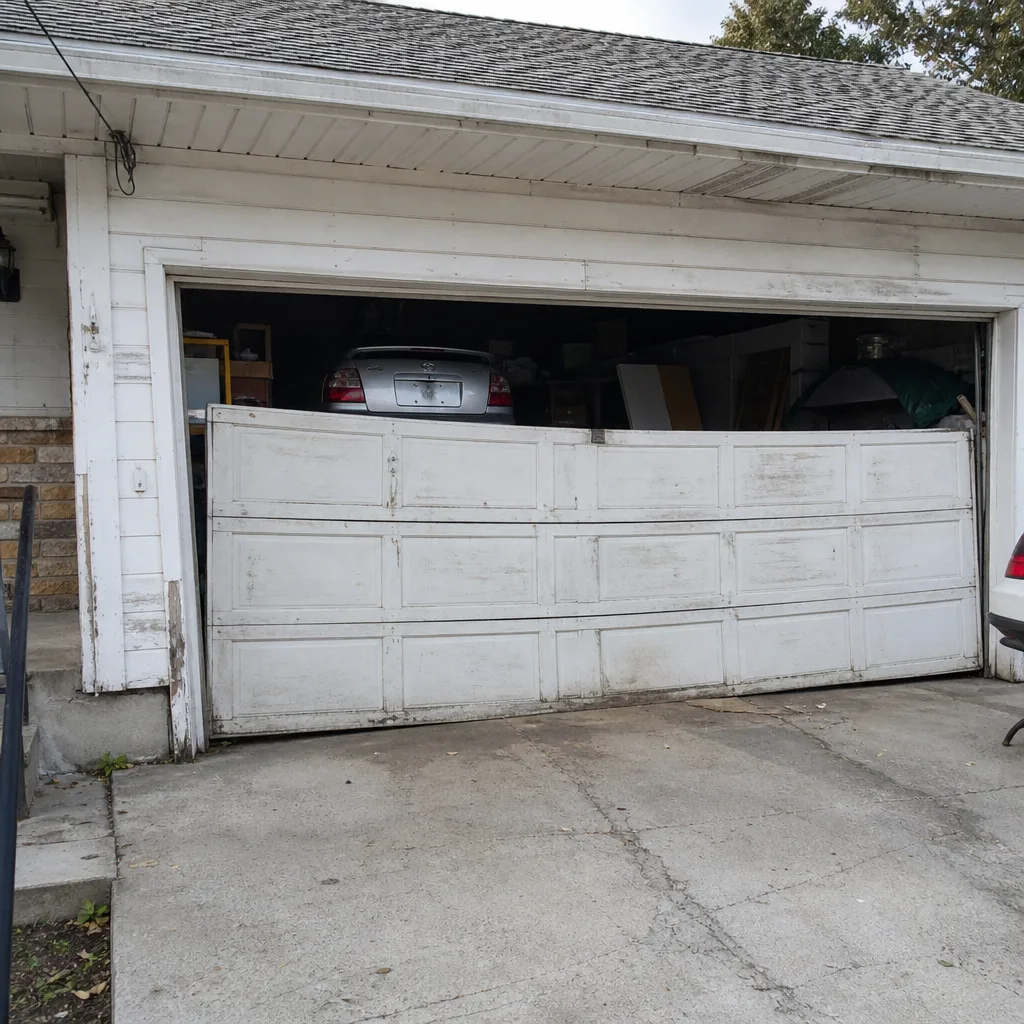 Before
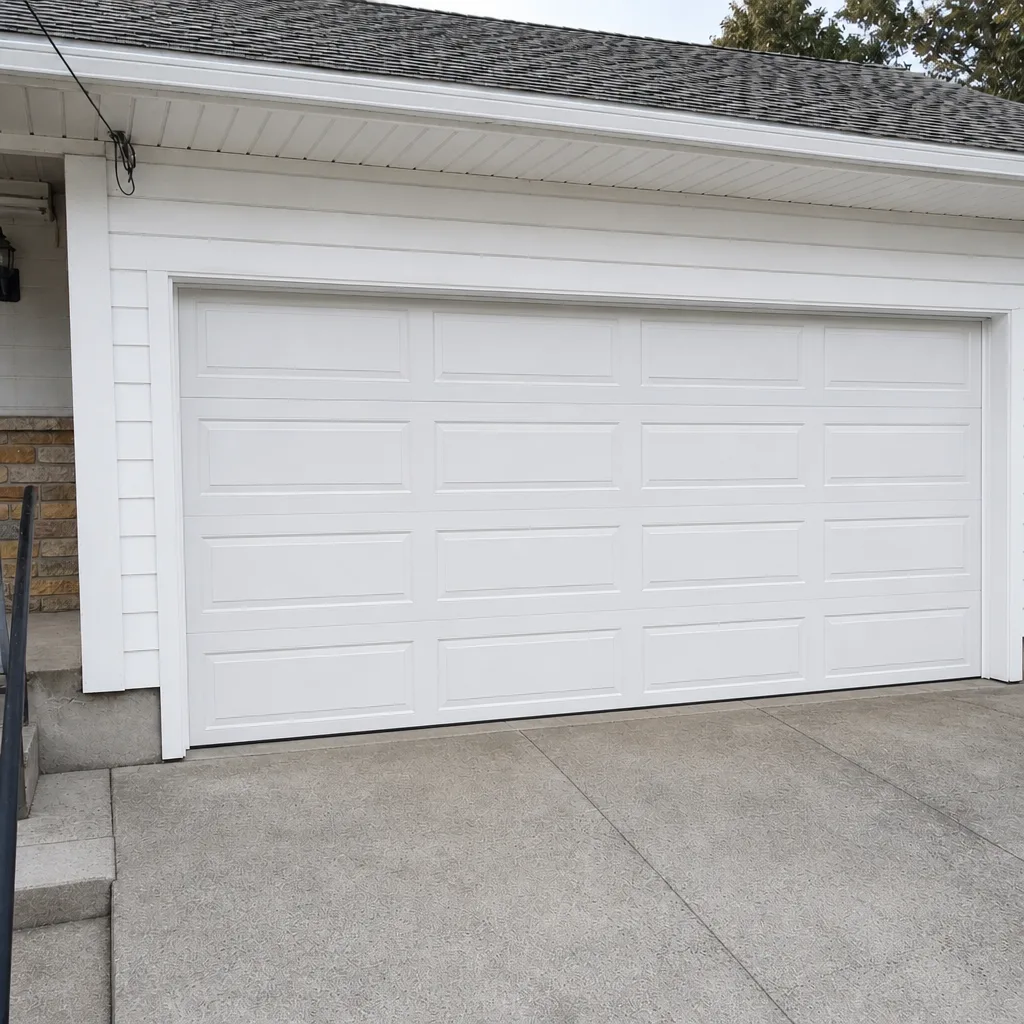 After
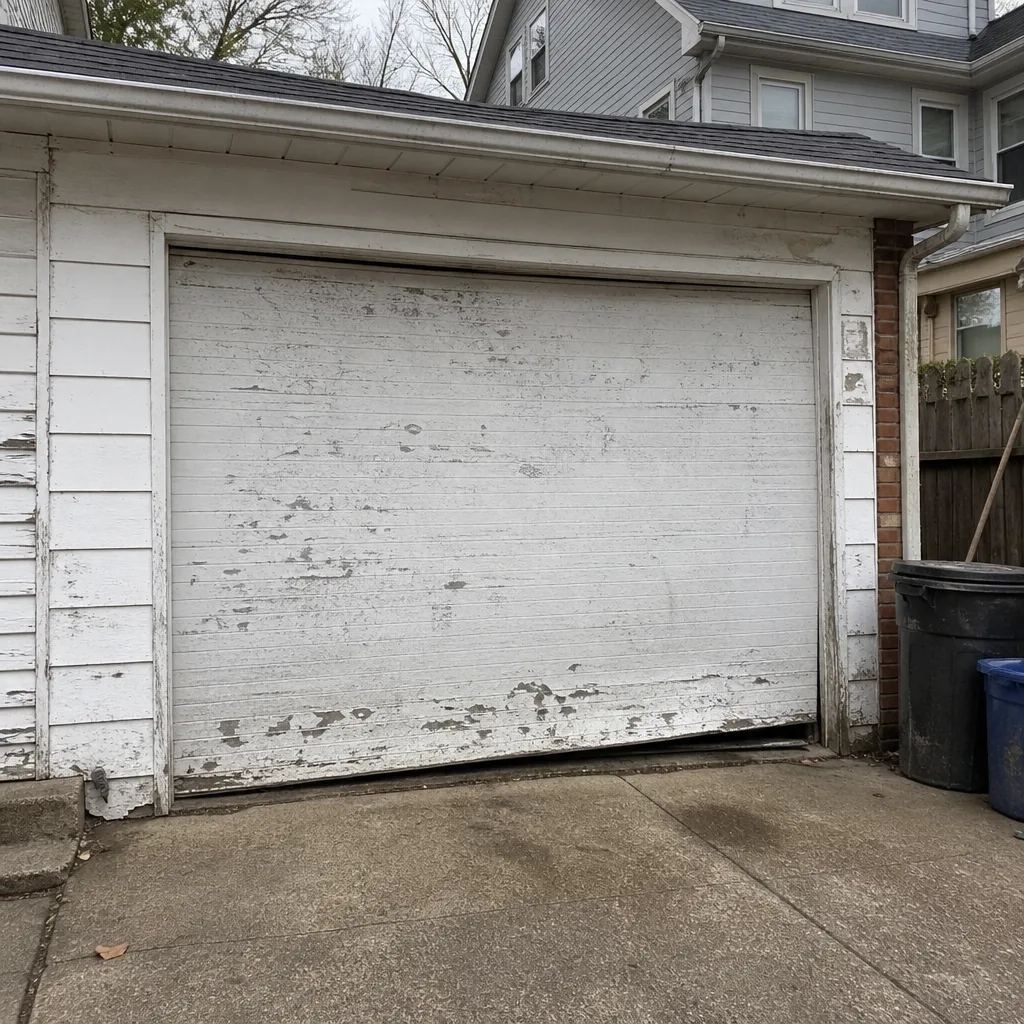 Before
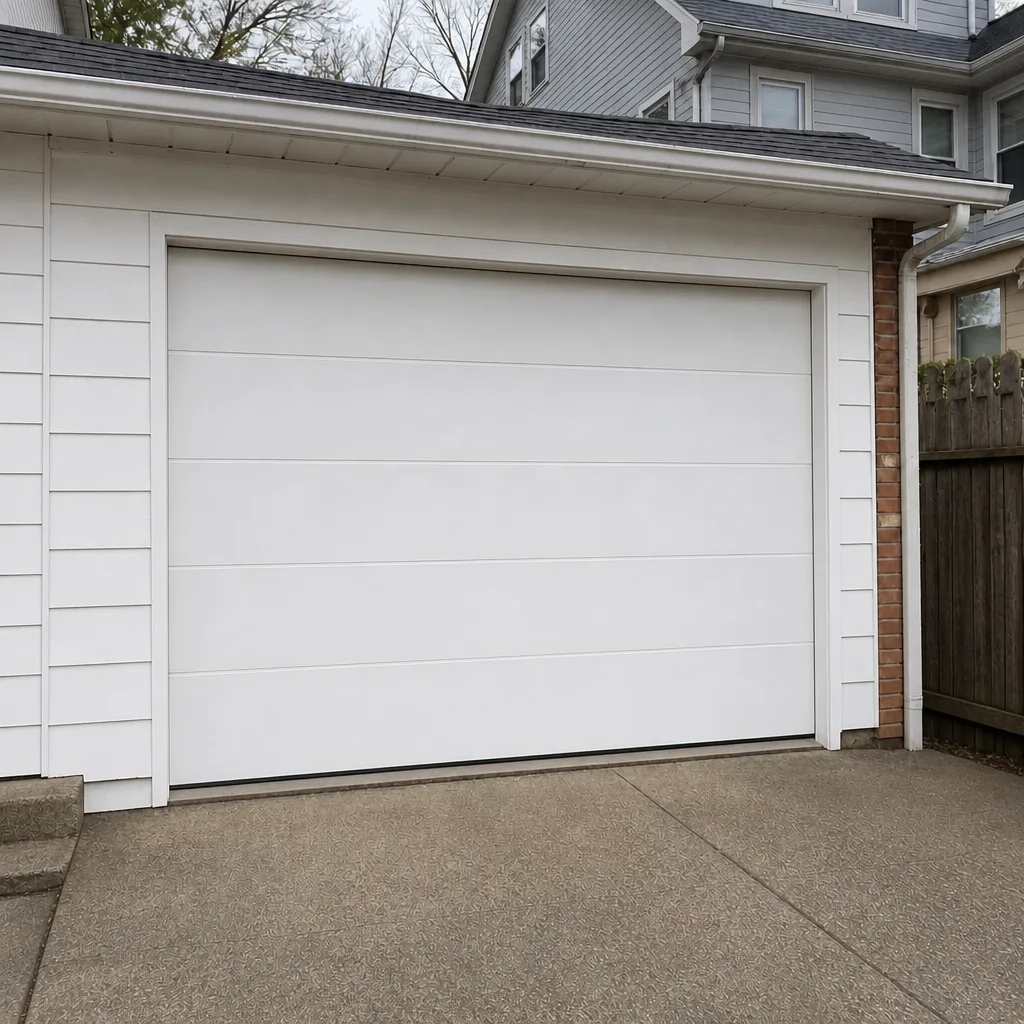 After
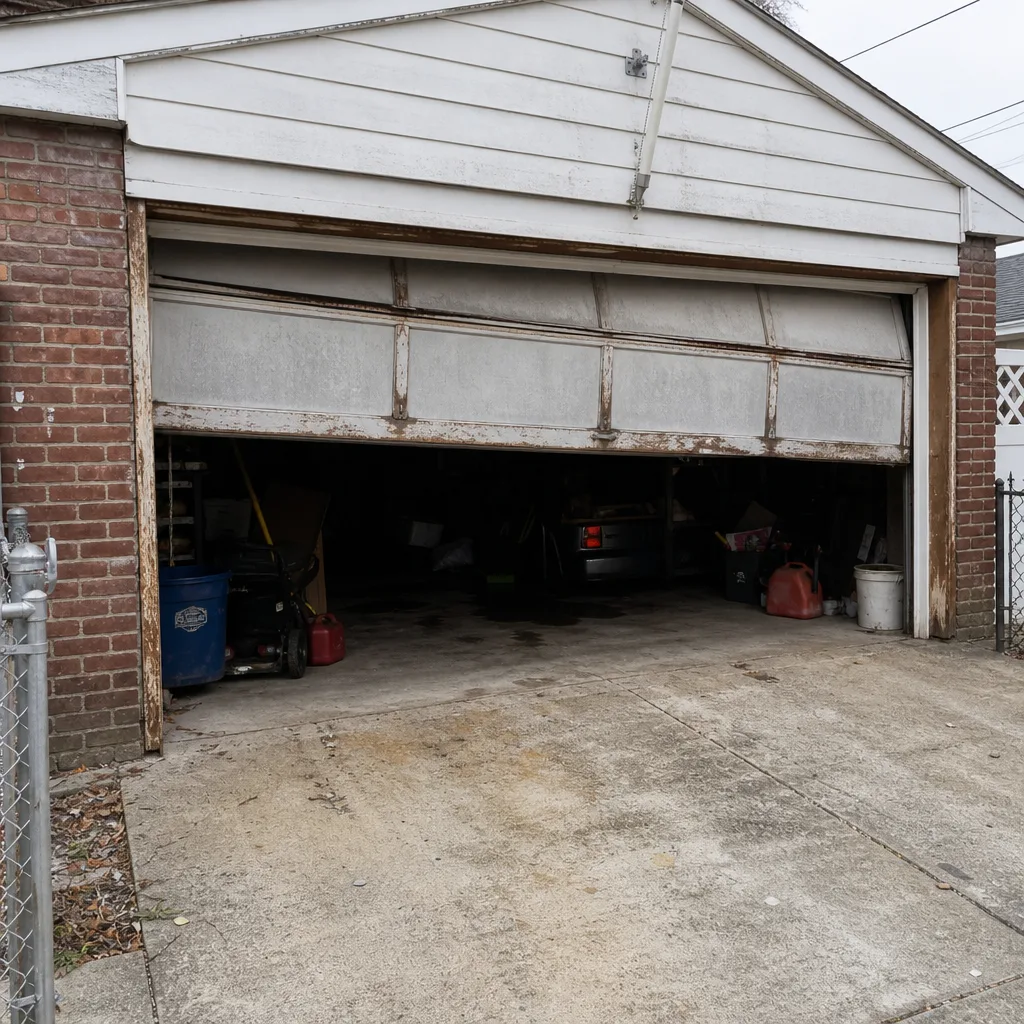 Before
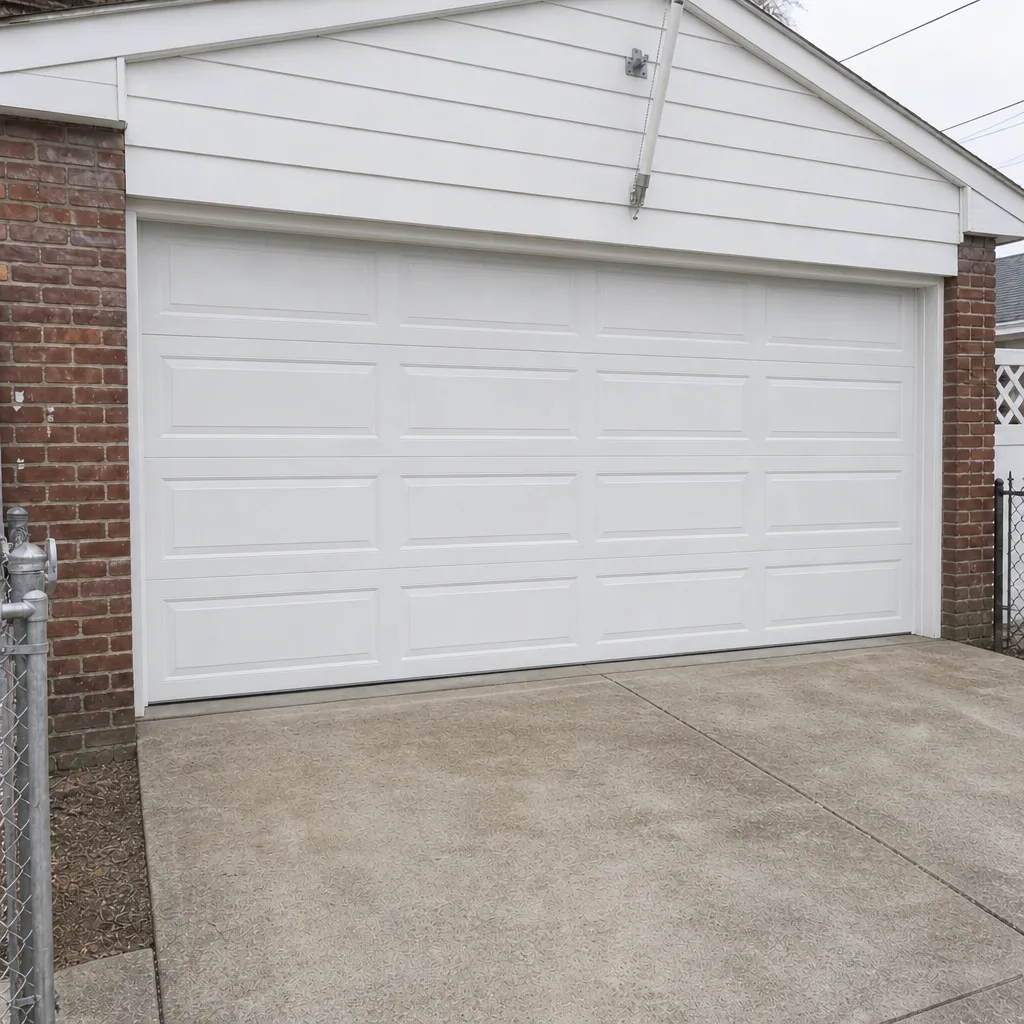 After
When to Call a Professional
Call a garage door specialist when the project involves anything structural – replacing a door, resizing an opening, reinforcing framing, or specifying a door’s wind-load rating to match current code. Those projects need a technician who understands both the door system and what the Paterson building department will look for during inspection. Call us when a repair turns out to be more than a repair: a door that’s cracked or dented across multiple panels, a door that comes off its track, a system where the opener and the springs are both end-of-life. And call us when a spring fails, without exception – springs are the most dangerous part of any garage door system, and this isn’t a DIY job. Our technicians have up to 11 years of experience and we offer free estimates in Paterson. Call (866) 937-7714. We answer 24/7. Fast dispatch from 7am to 7pm, Sunday through Friday.
Frequently Asked Questions
Yes, in most cases replacing a garage door in Paterson requires a building permit under the New Jersey Uniform Construction Code, because the door is a structural and wind-load component of the home. The permit application specifies the door size, model, and wind-load rating, and the installation is inspected against it. Confirm the requirement for your specific project with the Paterson building department before work starts. If you’re not sure whether your project needs a permit, call (866) 937-7714 for a free estimate and we’ll walk through it with you.
An opener replacement typically does not require a building permit because the door assembly itself isn’t being changed. What matters for an opener is that it has functioning safety sensors and the auto-reverse feature required by current standards. If your opener is failing, that’s a service call rather than a permitting project, and we handle garage door opener repair without the building department in the loop. Call (866) 937-7714 for a free estimate.
A Paterson garage door inspection checks the installed door against the permit application, the door’s wind-load rating against the required value for its size, the attachment of the tracks and hardware to framing, and the door’s operating clearance. If the opener is part of the project scope, the inspector may also verify the safety sensors and auto-reverse function. Inspectors most often flag doors that don’t match the filed spec, inadequate anchoring, or missing manufacturer labels. Call (866) 937-7714 if you need an on-site look before inspection.
Yes, in general a replacement garage door in New Jersey has to meet the current wind-load requirement for its size and location, not just copy the specs of the door coming out. Older doors were often installed under different code standards, so the correct replacement may be heavier or more heavily reinforced than the original. This is one of the reasons a proper door specification before ordering matters, since getting the rating wrong can fail inspection. Call (866) 937-7714 for a free on-site measure and specification.
The fix is to file an after-the-fact permit with the Paterson building department, have the installation assessed against current code, bring the door into compliance if it falls short, and complete the inspection so the permit can be closed out. The earlier this is handled, the simpler it is, because the relevant specs and papers are still available. An unpermitted installation that surfaces during a real estate sale becomes far more complicated to resolve. If you’re not sure of your door’s status, call (866) 937-7714 for a free assessment.
Spring replacement doesn’t require a permit, but it’s also not a job to attempt without training. Torsion and extension springs are under extreme tension and have caused serious injuries to homeowners who tried to replace them with the wrong tools. A trained garage door technician is the right call for a snapped spring, and our garage door spring repair service exists specifically for this. Call (866) 937-7714. We answer 24/7, with fast dispatch from 7am to 7pm, Sunday through Friday.
The Bottom Line
A garage door replacement in Paterson is a permitted project under the New Jersey Uniform Construction Code because the door is a structural and wind-load component of the home. Repairs, spring replacements, and opener swaps are not. The permit itself isn’t the hard part; the hard part is getting the door spec right – correct size, correct wind-load rating, correct hardware, correctly anchored – so the installation matches what was filed and the inspection closes cleanly. Handle it up front and the paperwork is a formality. Skip it and the problem surfaces years later, usually at the worst possible moment. If you’re planning a replacement or dealing with an unpermitted installation, get a straight answer on the spec and the permit before you commit.
Paterson Garage Door Repair provides residential garage door repair, garage door opener repair, and garage door spring repair in Paterson and the surrounding area. We work on the brands already in your garage – LiftMaster, Chamberlain, Genie, Clopay, Amarr, Wayne Dalton, Craftsman, and Raynor – and every job starts with a free estimate and a written quote so the price is agreed before any work begins. Call (866) 937-7714. We answer 24/7. Fast dispatch from 7am to 7pm, Sunday through Friday.
Written by the team at Paterson Garage Door Repair.